
Human Systems
Understanding How Behavior, Emotions, and Lifestyle Interact With Human Systems
Human Systems explain how the brain, emotions, and behavior work together with the nervous system. Because the nervous system constantly receives signals from the mind and the environment, human systems may influence how the body reacts to different situations.
For example, daily experiences such as stress, habits, and social contact may change how the nervous system responds to challenges. At the same time, these experiences may also affect how the body recovers and adapts.
Meanwhile, the brain reads emotional signals, environmental cues, and daily behavior patterns. Therefore, the nervous system does not work alone. Instead, it works together with psychological, social, and behavioral systems.
For instance, emotions may influence stress reactions. Likewise, daily habits may affect how nerve signals travel through the body. In addition, supportive environments may help people feel safe and calm.
As a result, human systems help us understand how emotions, behavior, and lifestyle affect nervous system activity.
Today, many scientists believe that nervous system function involves more than biology alone. It also includes habits, thinking patterns, and social relationships. Because these systems interact every day, daily experiences may influence how the nervous system works.
Therefore, this page explains how behavior, emotions, and environmental factors affect nervous system function. In addition, it introduces key human system topics that help explain how the brain and nerves respond to everyday life.
What Are Human Systems
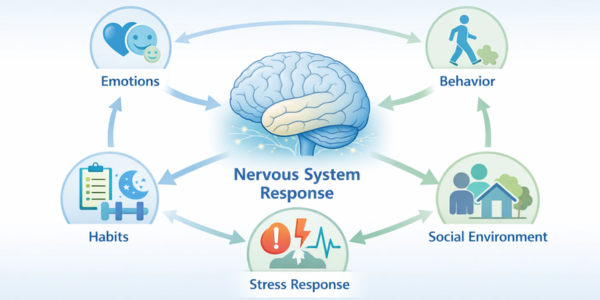
Human systems describe how people think, feel, and act in everyday life. They also explain how people interact with their surroundings and with their own body. These systems include emotions, habits, thoughts, motivation, relationships, and daily lifestyle patterns.
Although the nervous system controls many body functions, it also responds to mental and emotional experiences. Because of this, human behavior and emotions may affect how nerve signals move through the body. In addition, repeated habits may slowly change how the nervous system understands and reacts to signals from the environment.
At the same time, human systems work through several connected layers. For example, thoughts can influence emotions, and emotions can influence behavior. Likewise, behavior can affect how people respond to their environment. As a result, these layers work together and interact with brain networks that control attention, stress responses, and sensory signals.
Meanwhile, the brain constantly checks the environment to keep the body balanced. If the brain senses safety and support, the nervous system may stay calm and balanced. However, if the brain detects danger or pressure, protective responses may become more active.
Because of these connections, many researchers describe the nervous system as part of a larger system that includes biological, psychological, and social factors. In other words, the brain and nerves work together with thoughts, emotions, and social experiences.
Therefore, understanding human systems helps explain how behavior, emotions, and life experiences influence nervous system activity. In addition, it helps us see how the brain and nerves respond to everyday situations and long-term experiences.
How Human Systems Influence the Nervous System
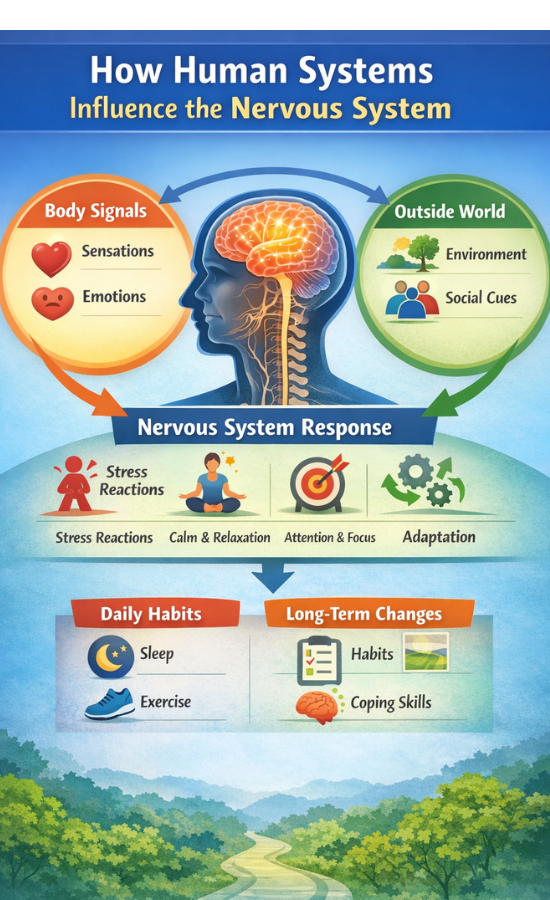
Human systems influence the nervous system through constant communication between the brain, the body, and the surrounding environment. In simple terms, the brain is always receiving information from both inside the body and from the outside world.
For example, the brain receives signals from body sensations, emotional experiences, and environmental conditions. As a result, the nervous system can quickly respond to different situations.
In addition, emotional experiences may activate brain circuits that control attention and stress responses. On the other hand, calm and positive experiences may help the body relax and feel safe.
Furthermore, daily routines also influence how the nervous system works. For instance, sleep habits, physical movement, and coping strategies may shape how brain networks adjust over time.
Likewise, repeated behaviors may slowly change how the nervous system reacts. As a result, long-term habits may influence how the body responds to stress, rest, and everyday challenges.
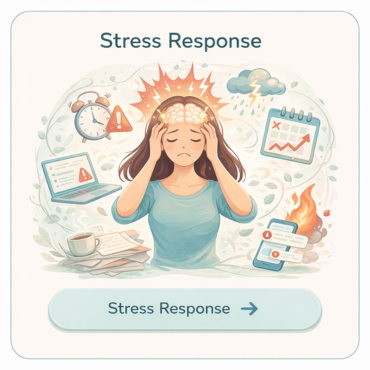
Stress and Nervous System Response
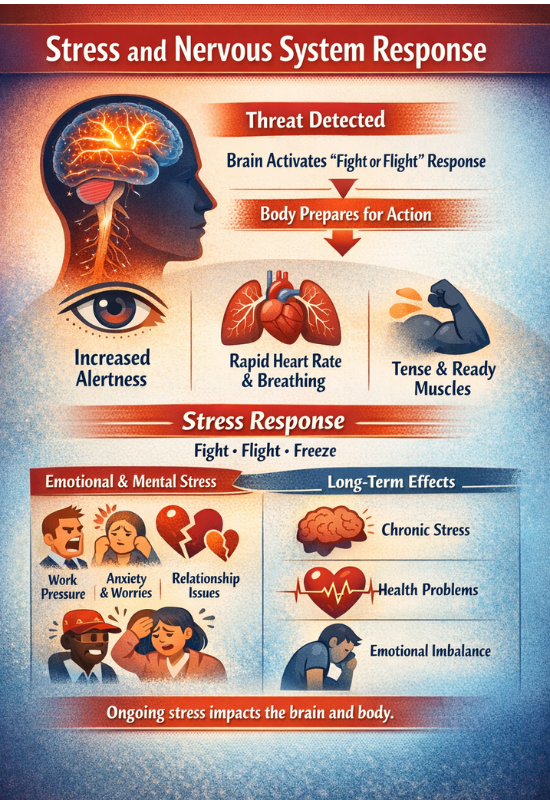
Stress is one of the strongest factors that can affect nervous system activity. When the brain senses a challenge or a possible threat, it quickly prepares the body to respond.
For example, the brain may activate protective responses that help the body get ready for action. As a result, attention may increase. At the same time, heart rate and breathing may become faster. In addition, muscles may become more alert and ready to move.
These changes help the body respond quickly during difficult or demanding situations. Therefore, stress responses play an important role in helping the body react to challenges.
However, stress responses are not caused only by physical danger. Emotional experiences, worries, and social pressures may also activate similar brain signals. For instance, demanding work conditions, relationship conflicts, or major life changes may trigger stress responses in the body.
Because these experiences often happen within daily life and social environments, psychological context becomes an important part of nervous system regulation.
Over time, repeated stress experiences may influence how brain networks interpret signals from the environment. Consequently, understanding stress responses helps explain how emotions, thoughts, and life experiences interact with the nervous system.
Emotional Regulation
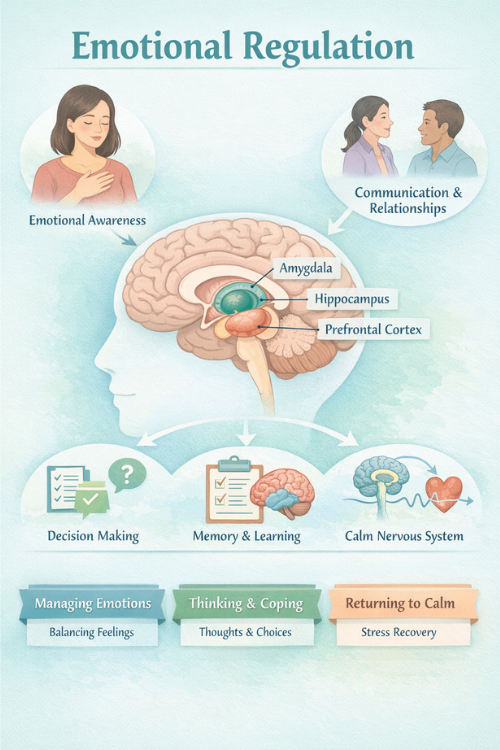
Emotional regulation explains how people notice, understand, and manage their emotions. In simple terms, it describes how individuals deal with emotional experiences in daily life. Because emotions involve many brain systems, these reactions often influence nervous system activity.
For example, emotional awareness may affect how people understand stressful situations. At the same time, balanced emotional responses may help the nervous system return to a calm state after a challenge.
In addition, emotions play an important role in communication. They help people understand their surroundings, relationships, and personal needs. As a result, these feelings often guide daily behavior and decisions.
Furthermore, several areas of the brain support emotional processing. These brain systems are linked to memory, learning, and decision-making. They also communicate with networks that control attention and stress responses.
Therefore, emotional regulation is an important part of human system activity. It helps explain how feelings, thoughts, and experiences influence how the brain and nervous system respond to everyday situations.
Habits and Behavioral Patterns
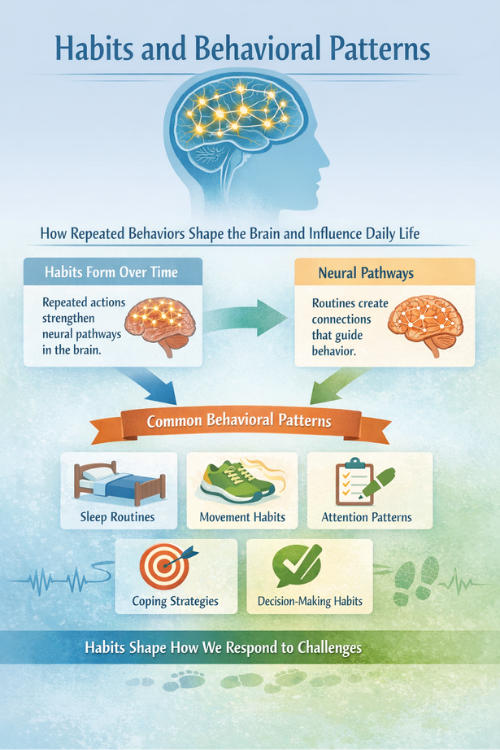
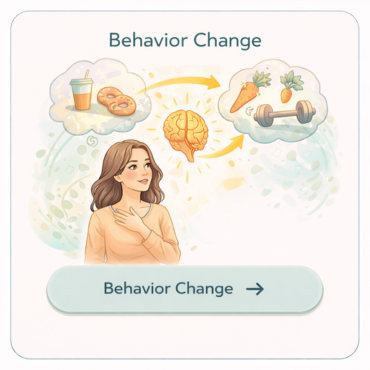
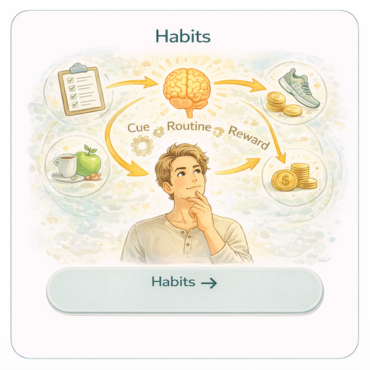
Human behavior often develops into repeated patterns known as habits. Over time, people perform many actions again and again during everyday life. This repetition can gradually shape neural pathways in the brain.
Daily routines such as sleep schedules, physical activity, and problem-solving strategies may influence how people adapt their behavior. When these activities occur regularly, the brain can strengthen the neural connections related to those actions.
Several common behavioral patterns appear in daily life, including:
• sleep routines
• movement habits
• attention patterns
• coping strategies
• decision-making habits
Gradually, repeated routines may influence how individuals respond to challenges in their environment. For this reason, habits play an important role in how human systems interact with nervous system activity.
Social and Environmental Factors
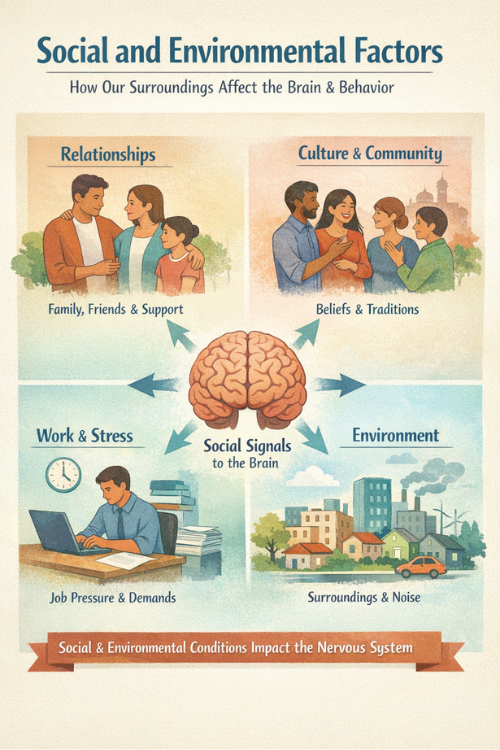
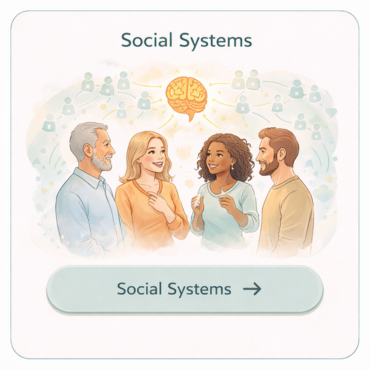
People live and grow in social environments. In daily life, they interact with family, friends, and the community. Because of these connections, social environments can affect emotions and behavior.
For example, relationships, community life, and cultural traditions may shape how people see and understand the world around them.
In addition, supportive relationships can help people feel safe and comfortable. On the other hand, stressful environments may increase emotional pressure and may change how people react in different situations.
At the same time, the environment around us also matters. For instance, work demands, daily routines, physical surroundings, and social groups all send signals to the nervous system.
As a result, the brain is always receiving and processing these signals. Over time, social and environmental conditions may influence how the nervous system responds and stays balanced.
Explore Human Systems Topics
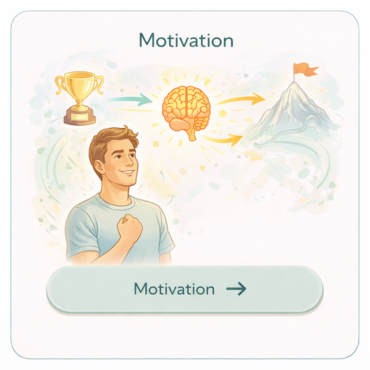
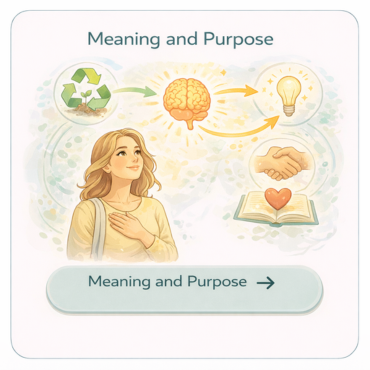
Explore key human system topics to understand how different factors influence nervous system activity.
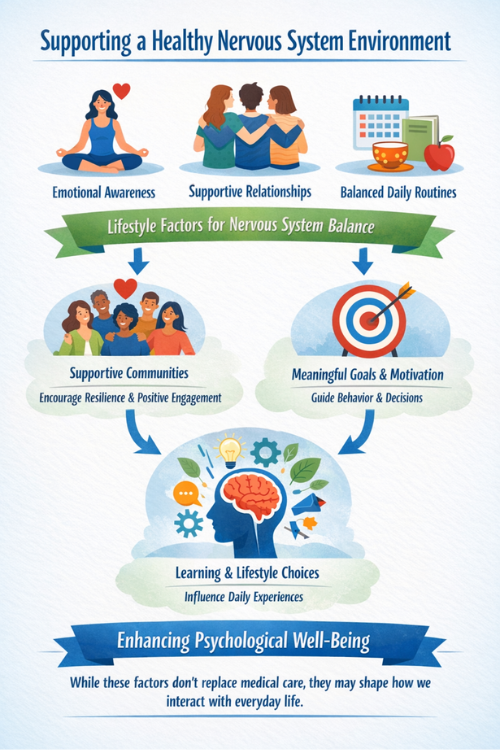
Supporting a Healthy Nervous System Environment
Human systems may contribute to nervous system balance through several lifestyle factors. Emotional awareness, supportive relationships, and balanced daily routines may all influence psychological well-being.
In addition, social environments may affect emotional experiences and behavioral responses. For instance, supportive communities may encourage resilience and positive engagement with life activities.
Similarly, meaningful goals and motivation may influence behavioral patterns. These patterns may affect how individuals approach challenges, learning experiences, and lifestyle decisions.
Although these factors do not replace professional medical care, they may influence how individuals interact with everyday life experiences.
Continue Learning
Safety Notice
This page provides educational information about how human behavior, emotions, and lifestyle factors interact with nervous system processes. It is intended for educational purposes only.
The information presented here does not diagnose or treat medical conditions. Individuals experiencing health concerns should consult qualified healthcare professionals.