Peripheral Neuropathy
Peripheral neuropathy may develop gradually as nerve function changes over time. These peripheral nerves normally carry signals between the central nervous system and the rest of the body.
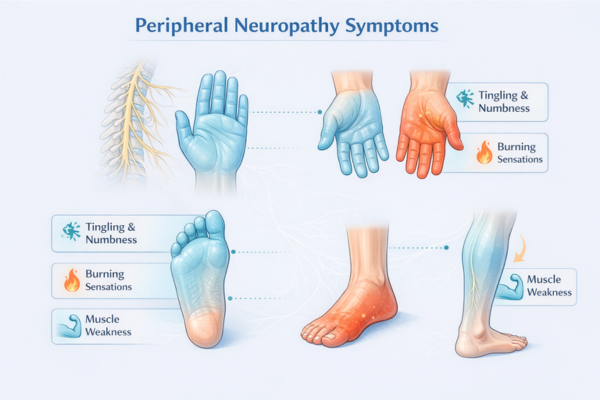
However, when peripheral neuropathy develops, communication between nerves, muscles, and sensory pathways may change. As a result, people may notice tingling, numbness, burning sensations, or weakness in the hands and feet.
In many cases, these changes develop gradually. Therefore, early sensations may appear mild at first but become more noticeable over time.
Although the term peripheral neuropathy is widely used in medicine, it is often used more generally to describe noticeable changes in nerve sensation or comfort. Therefore, understanding how these experiences appear in everyday life can provide useful context before exploring the biological mechanisms involved.
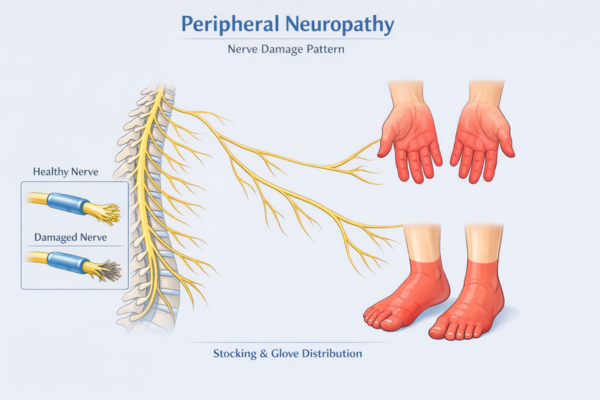
What Is Peripheral Neuropathy
Peripheral neuropathy describes a condition in which nerves outside the central nervous system become damaged or function differently.
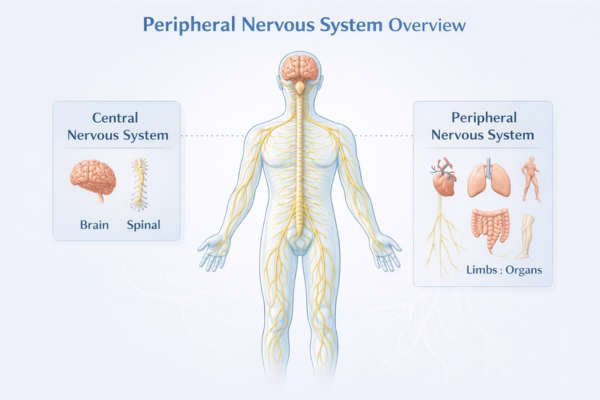
In fact, these nerves form a large communication network that connects the brain and spinal cord with muscles, skin, and internal organs.
Types of Peripheral Nerves
Generally, peripheral nerves are grouped according to their primary function. Therefore, understanding these nerve types helps explain why different symptoms may appear.
Because of this complex network, disruptions in nerve communication may influence several body systems at the same time.
How Peripheral Neuropathy Develops
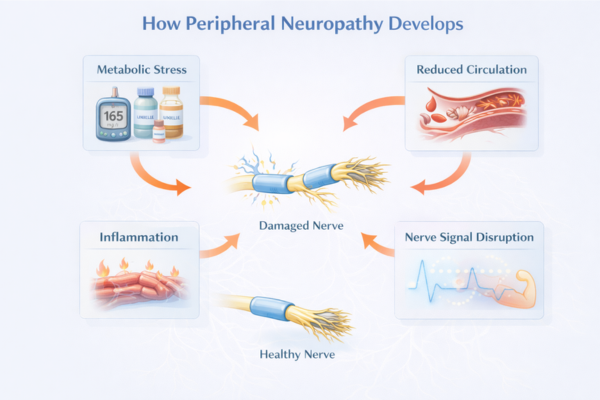
In many situations, peripheral neuropathy may develop through several mechanisms that influence nerve health.
For example, metabolic stress, circulation changes, or inflammation may influence nerve pathways. Consequently, nerve signals may travel less efficiently.
Metabolic Stress
Metabolic imbalance can affect how nerve cells maintain electrical signaling.
Circulation Changes
Peripheral nerves rely on small blood vessels for oxygen and nutrients.
Inflammation
Inflammatory responses may affect protective nerve coverings.
Structural Pressure
Compression or injury around joints may influence nerve pathways.
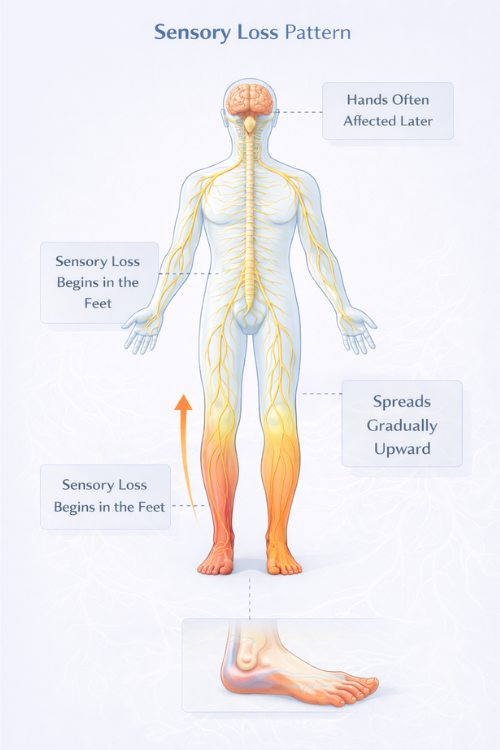
Common Symptoms Associated With Peripheral Neuropathy
In many cases, symptoms develop gradually rather than suddenly. For this reason, people may notice small sensory changes before more noticeable symptoms appear.
Sensory Symptoms
Motor Symptoms
Balance Changes
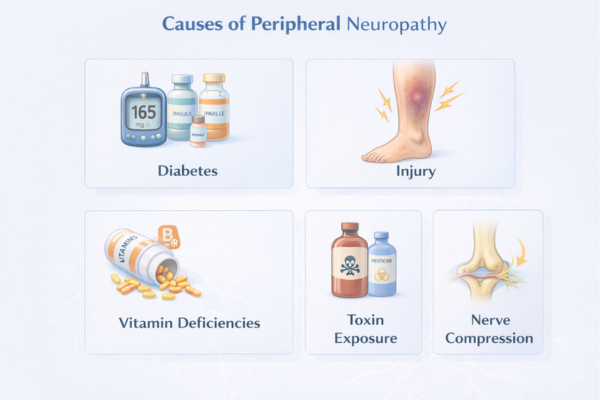
Possible Causes of Peripheral Neuropathy
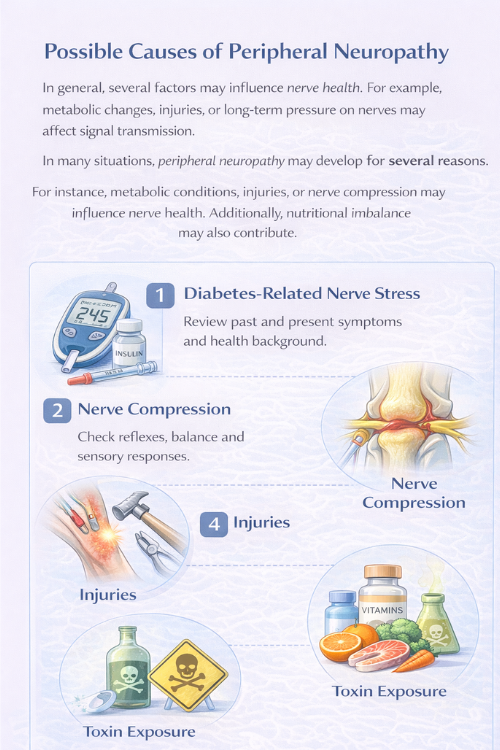
In general, several factors may influence nerve health. For example, metabolic changes, injuries, or long-term pressure on nerves may affect signal transmission.
In many situations, peripheral neuropathy may develop for several reasons.
For instance, metabolic conditions, injuries, or nerve compression may influence nerve health. Additionally, nutritional imbalance may also contribute.
diabetes related nerve stress
How Peripheral Neuropathy Is Evaluated
Healthcare professionals evaluate peripheral neuropathy through several methods. First, they review the person’s medical history to understand symptom patterns and background factors.
Next, a physical examination may be performed. During this step, reflex responses and sensory reactions are typically checked.
In some situations, nerve conduction testing may be recommended. This test measures electrical signals traveling along nerve pathways.
Additionally, sensory testing may be performed. For example, temperature, vibration, and pressure responses may be examined to better understand nerve function.
What This Condition Refers To
Peripheral neuropathy refers to damage or disruption affecting nerves outside the brain and spinal cord. In the body, these peripheral nerves carry signals between the central nervous system and the rest of the body.
In general, this term describes how nerve communication may become altered. As a result, sensation patterns may change in different parts of the body.
When peripheral neuropathy develops, communication between nerves and muscles or sensory pathways may change. Consequently, people may notice sensations such as tingling, numbness, burning, or weakness in the hands or feet.
Although the term peripheral neuropathy is widely used in medical contexts, people often use it more generally to describe noticeable changes in nerve sensation or comfort. For this reason, understanding how people experience these changes can provide helpful context before exploring the biological mechanisms involved.
Common Experiences People Notice
People who describe experiences related to peripheral neuropathy often report several types of sensations. For example, many individuals notice tingling or “pins and needles” sensations in the hands or feet.
For example, these sensations may begin with mild tingling. Over time, however, people may notice changes in sensitivity or temperature perception.
In addition, numbness or reduced sensitivity may gradually appear. As a result, everyday sensations such as touch or temperature may feel slightly different.
Meanwhile, some individuals describe burning sensations or unusual warmth that does not relate to external heat. In contrast, others report increased sensitivity to touch or pressure.
In some situations, the affected area may feel heavy, tight, or unusually noticeable during daily activities. Consequently, people may become more aware of nerve pathways during movement.
These sensations may also appear at different times. For instance, some people notice them mainly during periods of rest. However, others experience them more during movement or later in the evening.
Common Sensory Experiences
These sensory experiences may appear gradually. For example, tingling may appear first, while numbness may develop later. As a result, sensation patterns may slowly change over time.
Biological Systems Influencing Nerves
Several biological systems influence how nerves function. For example, inflammation balance, circulation, metabolic health, and nervous system regulation all contribute to healthy nerve signaling.
For instance, circulation and metabolic balance help support nerve cells. In addition, inflammation control plays an important role in maintaining nerve signaling.
When these systems remain balanced, nerve communication usually functions smoothly. However, when prolonged pressure or imbalance develops, nerve tissues may become more sensitive.
As a result, signals traveling through nerve pathways may become less efficient. Therefore, maintaining balance within these biological systems is considered important for overall nerve function.
For example, regular movement helps circulation. Likewise, balanced nutrition supports nerve repair and cellular function.
What This Page Does NOT Do
This page does not diagnose peripheral neuropathy or determine specific medical causes.
It does not recommend treatments, prescribe medications, or suggest supplements.
Additionally, it does not replace professional medical evaluation.
Instead, the purpose of this page is educational.
The goal is to explain how people commonly describe nerve-related sensations and how these experiences relate to broader nervous system function.
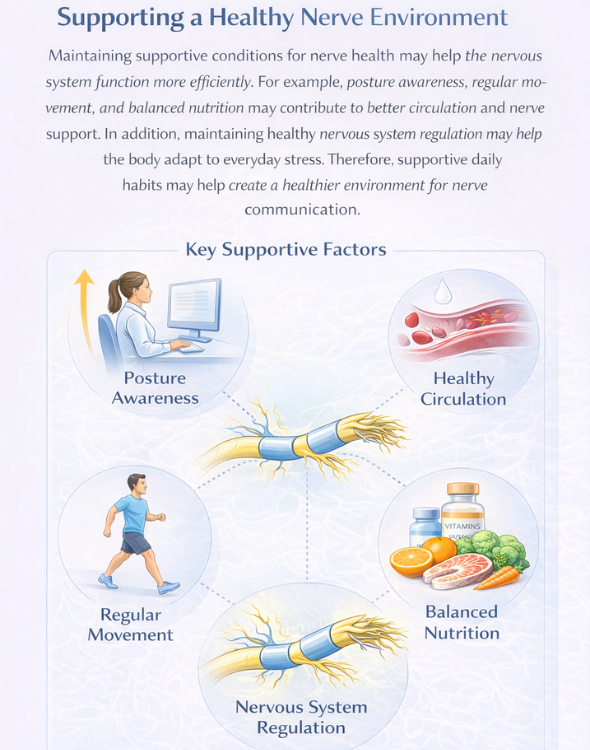
Supporting a Healthy Nerve Environment
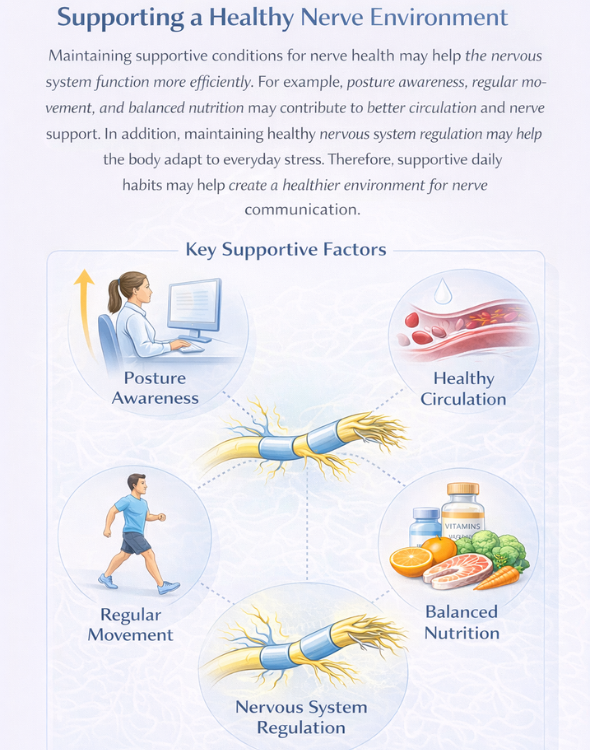
Maintaining supportive conditions for nerve health may help the nervous system function more efficiently. For example, posture awareness, regular movement, and balanced nutrition may contribute to better circulation and nerve support.
In addition, maintaining healthy nervous system regulation may help the body adapt to everyday stress. Therefore, supportive daily habits may help create a healthier environment for nerve communication.
Key Supportive Factors
How Education Supports Next Steps
Understanding experiences often described as peripheral neuropathy can help people move forward without focusing solely on labels.
At the same time, education helps people recognize patterns in nerve health. Therefore, learning structured information can provide clearer guidance.
Therefore, learning can continue through structured education topics.
In addition, learning structured information may help people better understand how nerve systems respond to stress. Consequently, individuals may become more aware of patterns affecting nerve comfort.
Learning Topics
Related Nerve Conditions
Safety & Education Notice
This page explains symptoms of nerve dysfunction for educational purposes only. It does not provide medical diagnosis, treatment, or personalized medical advice.
If symptoms are severe, progressive, or unexplained, consult a licensed healthcare professional.