
Therapeutic Systems for Nerve Health
Understanding Systems That Support Nerve Function and Recovery
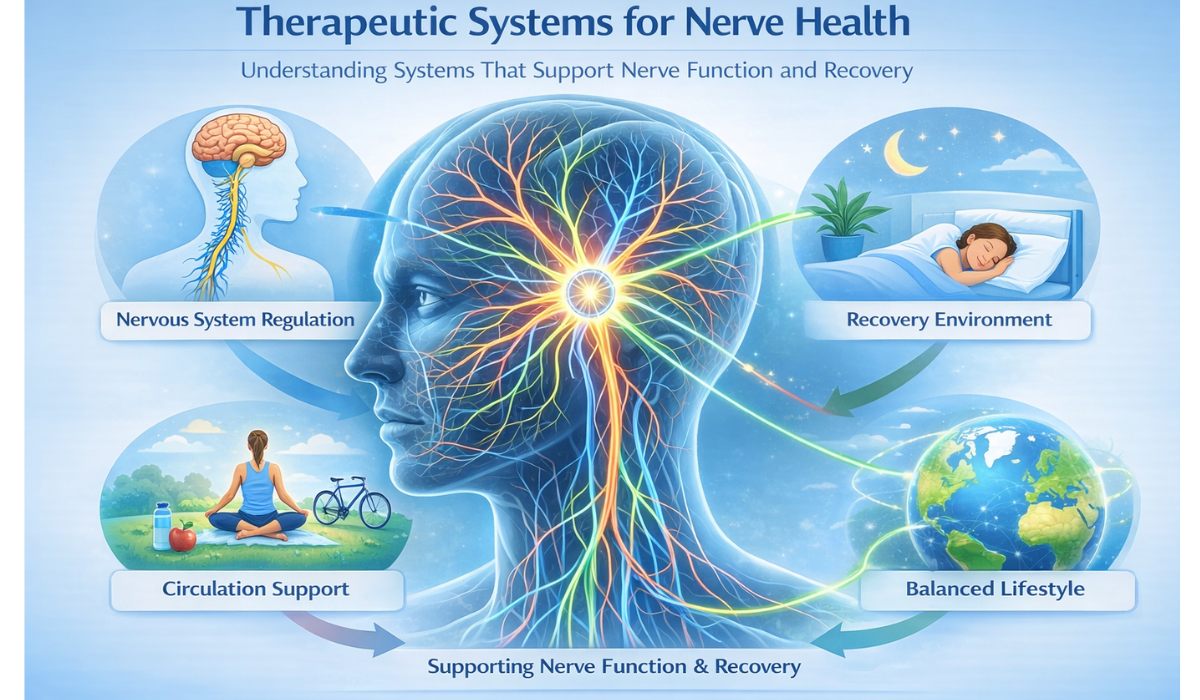
Therapeutic systems for nerve health are not influenced by a single factor. Instead, multiple systems within the body work together to support how nerves function, adapt, and respond.
For example, nervous system balance, circulation, and environmental inputs may all play a role. As a result, understanding these systems can help explain how the body maintains stable nerve communication.
👉 This page explores key support systems — not treatments — to help you understand how recovery environments may influence nerve function.
EXPLORE THIS PAGE
WHAT ARE THERAPEUTIC SYSTEMS
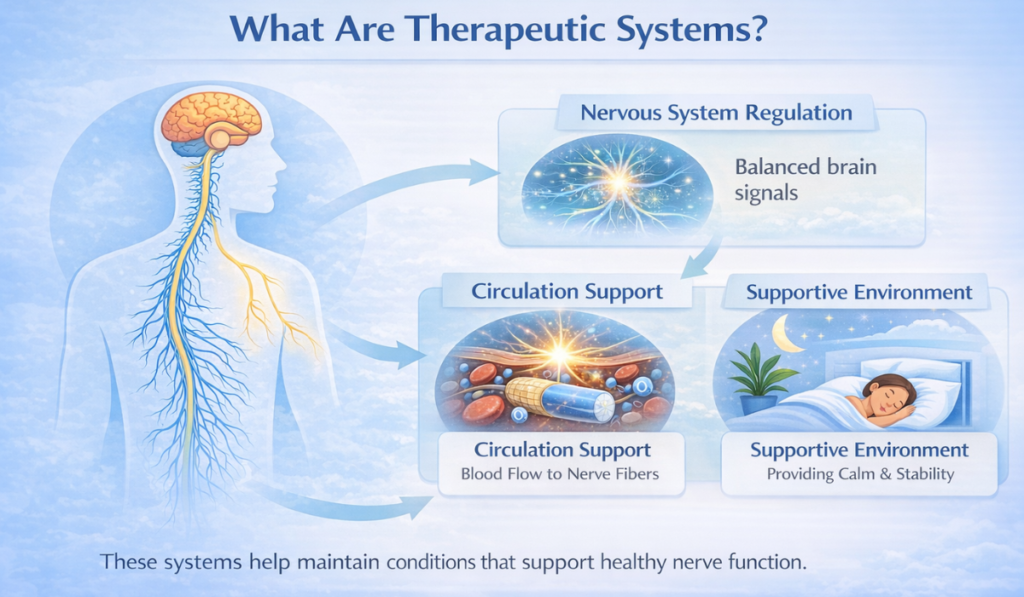
Therapeutic systems refer to natural support systems within the body and environment that may influence how nerves function.
In general, these systems do not act as treatments. Instead, they help maintain conditions that allow the nervous system to operate more efficiently.
For example, stable nervous system signaling, proper circulation, and balanced environmental inputs may all contribute to a supportive internal environment.
Therefore, understanding these systems helps explain how nerve health may be influenced from multiple directions.
HOW THESE SYSTEMS SUPPORT NERVE FUNCTION
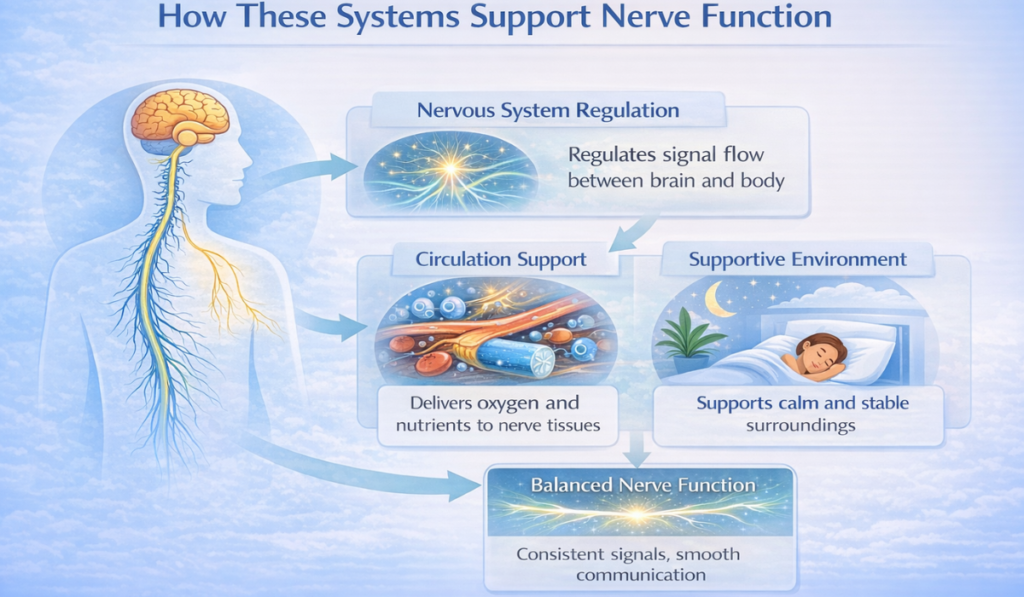
Nerves rely on consistent signals, oxygen supply, and stable surroundings.
First, the nervous system must regulate signal flow between the brain and body.
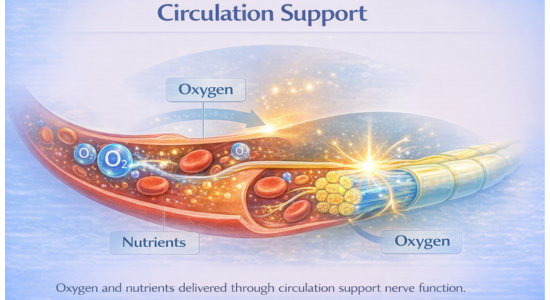
Next, circulation helps deliver oxygen and nutrients to nerve tissues.
In addition, the surrounding environment may influence how the body responds to stress or recovery demands.
As a result, when these systems remain balanced, nerve communication may function more smoothly.
CORE SUPPORT SYSTEMS
Nervous System Regulation
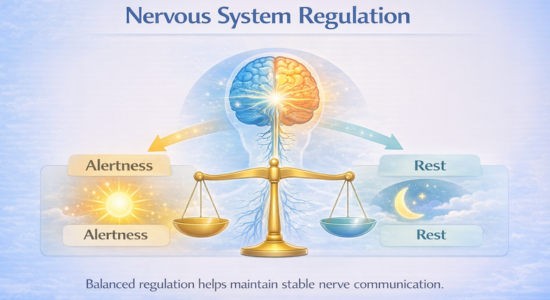
The nervous system constantly adjusts between different states.
For instance, it may shift between alertness and rest. These shifts may influence how signals are processed and how the body responds to internal and external inputs.
Therefore, balanced regulation may help maintain stable nerve communication.
Circulation Support
Circulation plays an important role in supporting nerve tissues.
In many situations, nerves depend on a steady supply of oxygen and nutrients. When circulation supports this process, it may help maintain normal nerve signaling.
As a result, circulation is closely connected to overall nerve function.
Recovery Environment
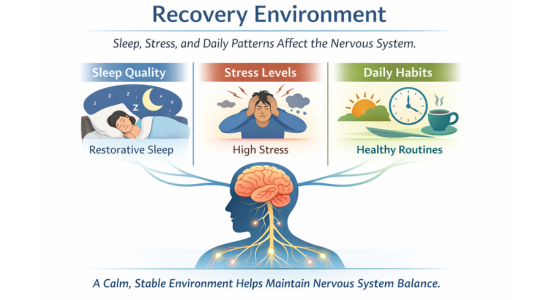
The environment around the body may influence how systems respond.
For example, sleep quality, stress levels, and daily patterns may affect how the nervous system behaves over time.
Therefore, a stable and calm environment may support overall system balance.
Lifestyle Integration
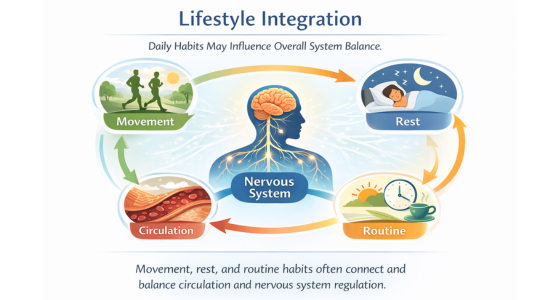
Daily habits may influence multiple systems at once.
For instance, movement, rest, and routine patterns may interact with circulation and nervous system regulation.
Because of this, lifestyle patterns often connect different support systems together.

SYSTEM INTERACTION OVERVIEW
These systems do not work in isolation.
Instead, they form a connected network:
As a result, changes in one area may influence others. Therefore, understanding this interaction helps explain how overall nerve function may shift over time.
SUPPORTING A HEALTHY NERVE ENVIRONMENT
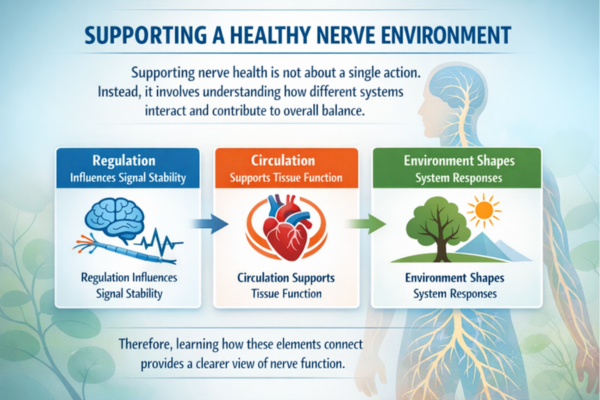
Supporting nerve health is not about a single action.
Instead, it involves understanding how different systems interact and contribute to overall balance.
For example:
- First, regulation influences signal stability. As a result, it helps maintain consistent communication between the brain and body.
- Next, circulation supports tissue function. In addition, it helps deliver oxygen and nutrients to nerve tissues. As a result, this process may support normal nerve signaling.
- Finally, the environment shapes system responses. For example, factors such as sleep, stress, and daily patterns may influence how the body reacts. As a result, a stable environment may help support overall system balance.
Therefore, learning how these elements connect provides a clearer view of nerve function.
Nutritional Therapy

However, nerve function is not only influenced by external factors. Instead, internal support, such as nutrition, also plays an important role.
For example, the body relies on nutrients to support normal nerve processes. In addition, balanced nutrition may help maintain overall system function.
Therefore, exploring nutritional therapy can help you understand how diet connects with nerve health.
Movement Therapy

However, nerve function is not only influenced by rest. Instead, movement also plays an important role in how the body responds and adapts.
For example, gentle activity and daily movement may support circulation and coordination. In addition, consistent movement may help maintain overall system balance.
Therefore, exploring movement therapy can help you understand how physical activity connects with nerve function.
Nervous System Regulation
However, nerve function is not only about signals. Instead, it depends on how those signals are regulated between the brain and body.
For example, the nervous system may shift between alertness and rest. In addition, these shifts may influence how signals are processed over time.
Therefore, understanding regulation helps explain how stable nerve communication may be supported.
Sleep & Recovery
However, nerve function is not only influenced by activity. Instead, rest and recovery play an essential role in how the nervous system resets and adapts.
For example, sleep quality and daily recovery patterns may influence how the body responds over time. In addition, consistent rest may help support overall system balance.
Therefore, exploring sleep and recovery can provide a clearer understanding of how nerve function is supported.
Thermal Therapy

However, nerve function is not only influenced by internal systems. Instead, temperature-based inputs such as heat and cold may also play a role.
For example, changes in temperature may influence circulation and how the body responds. In addition, thermal inputs may help support overall system balance.
Therefore, exploring thermal therapy can help you understand how temperature connects with nerve function.
Light Therapy

However, nerve function is not only influenced by internal processes. Instead, external signals such as light may also play a role.
For example, natural light patterns may influence how the body responds over time. In addition, consistent light exposure may help support overall system balance.
Therefore, exploring light therapy can help you understand how environmental signals connect with nerve function.
Manual Therapy

However, nerve function is not only influenced by internal processes. Instead, physical touch and external support may also play a role.
For example, gentle manual techniques may influence how the body responds and adapts. In addition, these approaches may help support overall system balance.
Therefore, exploring manual therapy can help you understand how physical interaction connects with nerve function.
Respiratory Therapy

However, nerve function is not only influenced by internal processes. Instead, breathing patterns may also play an important role in how the body responds.
For example, steady and controlled breathing may influence oxygen flow and system activity. In addition, consistent breathing patterns may help support overall balance.
Therefore, exploring respiratory therapy can help you understand how breathing connects with nerve function.
Psychological Therapy

However, nerve function is not only influenced by physical systems. Instead, mental and emotional patterns may also play an important role.
For example, thoughts, stress responses, and emotional states may influence how the body reacts over time. In addition, balanced psychological patterns may help support overall system stability.
Therefore, exploring psychological therapy can help you understand how the mind connects with nerve function.
Neuromodulation
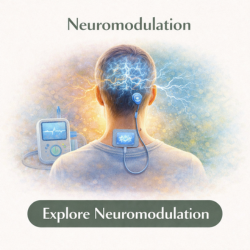
However, nerve function is not only influenced by natural processes. Instead, external signals may also play a role in how nerve activity is adjusted.
For example, controlled stimulation may influence how signals are transmitted. In addition, these adjustments may help support overall system balance.
Therefore, exploring neuromodulation can help you understand how signal patterns connect with nerve function.
CONTINUE LEARNING
Ready to Understand the Full System?
If you want a structured way to connect all these systems:
SAFETY & EDUCATION NOTICE
This page is for educational purposes only.
It does not provide medical advice, diagnosis, or treatment.