
Neurobiology
Understanding How the Nervous System Communicates and Adapts Through Neurobiology
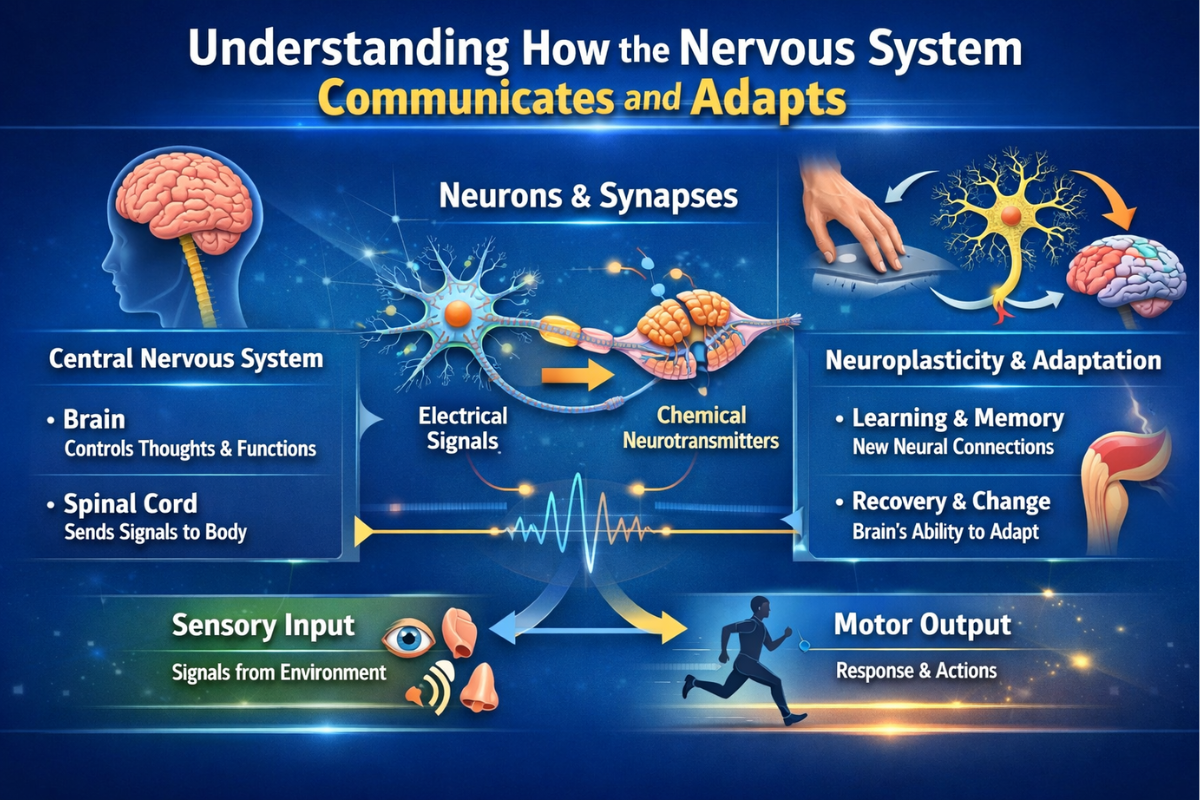
Neurobiology explains how the nervous system works. In simple terms, it shows how the brain, spinal cord, and nerves communicate with each other.
First, the nervous system sends and receives signals across the body. As a result, it helps control movement, sensation, and many basic functions. For example, when you touch something hot, your nerves quickly send a signal to the brain.
Next, the brain processes this signal. Then, the body reacts based on that information. Because of this, the system works very fast and helps you respond quickly.
However, these signals do not always stay the same. Instead, they can change depending on what is happening inside and outside the body. In addition, different conditions may affect how signals move.
Because of this, even small changes in nerve communication may affect how you feel sensations. For instance, signals may become stronger, weaker, or different.
Moreover, neurobiology also explains how the nervous system can change over time. This process is called neuroplasticity. In simple terms, it means the brain and nerves can adjust based on repeated actions and experiences.
At the same time, this change does not happen instantly. Instead, it develops slowly over time. Therefore, learning neurobiology helps you understand how the system adapts and responds.
Explore Key Neurobiology Sections
What Is Neurobiology and Why Does It Matter?
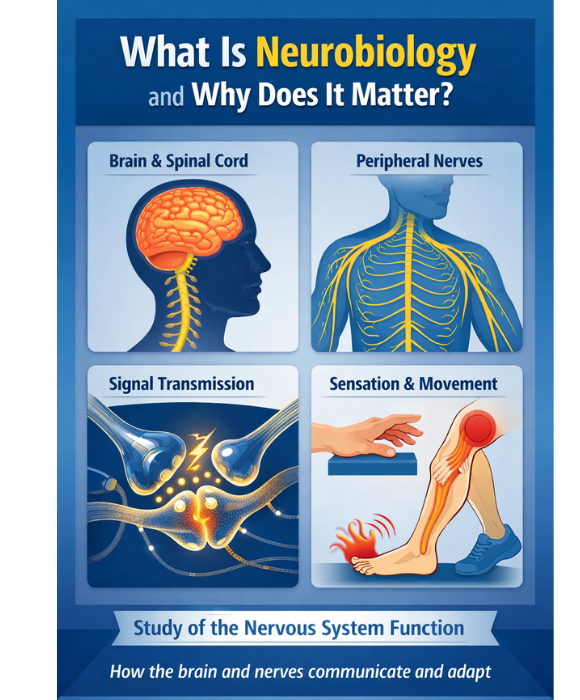
Neurobiology is the study of how the nervous system is structured and how it functions.
It focuses on how signals are generated, transmitted, and interpreted across the body.
The nervous system includes the brain, spinal cord, and peripheral nerves. Together, these systems coordinate sensation, movement, and internal regulation.
Understanding neurobiology provides a foundation for exploring how nerve-related experiences may develop and how the body responds to internal and external changes.
Neurobiology of Nervous System Structure
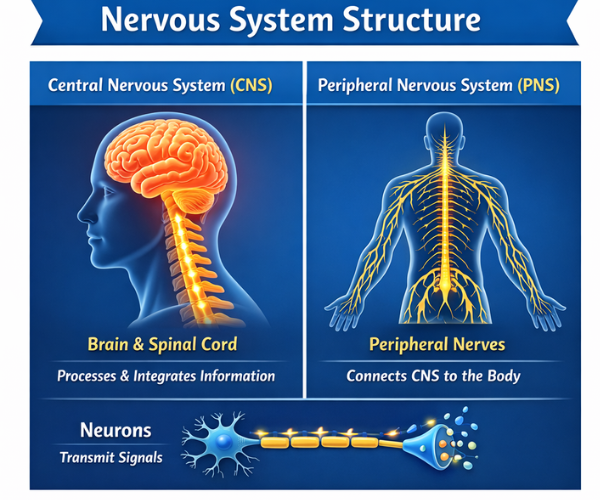
The nervous system is usually divided into two main parts. In simple terms, these parts help the body send, receive, and process signals.
First, the Central Nervous System (CNS) includes the brain and spinal cord. This system processes and organizes information. As a result, it helps control thinking, movement, and many body functions.
Next, the Peripheral Nervous System (PNS) includes nerves that spread throughout the body. These nerves connect the body to the CNS. In addition, they carry signals back and forth between the brain, spinal cord, and other tissues.
For example, when you feel touch or pain, signals travel through the PNS to the CNS. Then, the CNS processes the information and sends a response.
Moreover, signals travel through neurons, which are specialized cells. These cells are designed to carry electrical impulses quickly and efficiently.
As a result, the nervous system can communicate across the body in a fast and organized way. However, if this structure is affected, signal flow may also change.
Therefore, understanding this structure helps explain how the nervous system works and how communication happens in the body.
Neural Signaling
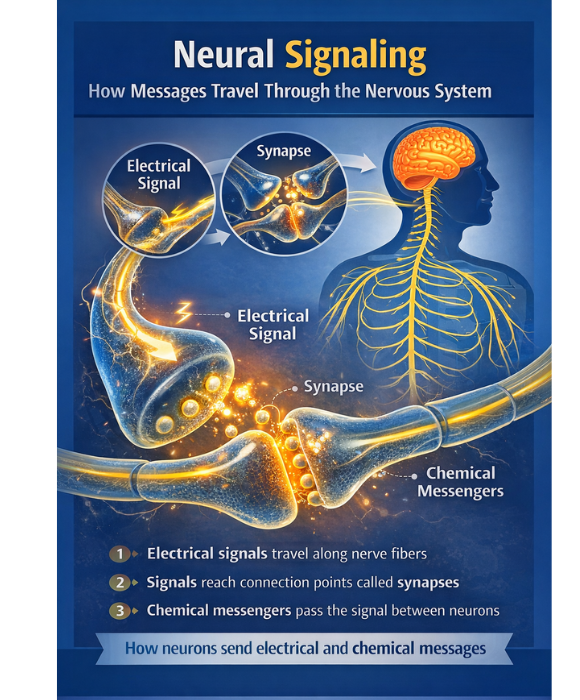
Neural signaling explains how messages move through the nervous system.
First, electrical signals travel along nerve fibers. Next, these signals reach connection points called synapses. Then, chemical messengers pass the signal from one neuron to another.
As a result, the body can respond to sensations and control movement. In addition, this process helps different parts of the body stay connected.
For example, when you feel pain or touch, signals move quickly through this system. Because of this, the body reacts almost instantly.
However, this system is sensitive. Therefore, even small changes in signaling may affect how sensations are felt or understood.
Brain–Nerve Connection
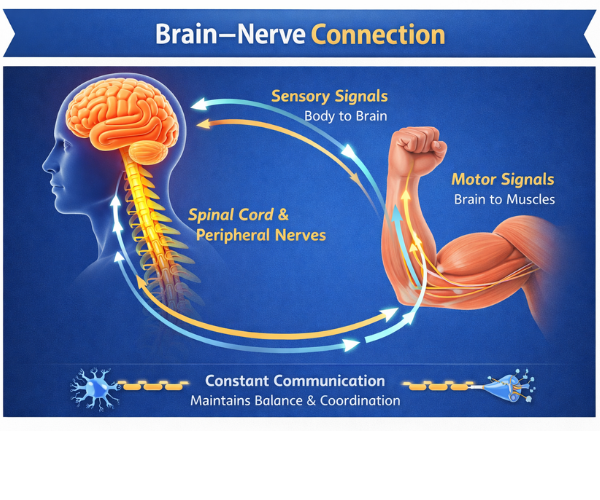
The brain communicates with the body through the spinal cord and peripheral nerves.
First, sensory signals travel from the body to the brain. Next, the brain processes the information. Then, motor signals move from the brain to the muscles.
As a result, this system helps maintain balance and coordination. In addition, it allows the body to respond to changes quickly.
For example, when you move your hand, signals travel back and forth between the brain and muscles. Because of this, movement stays controlled.
Moreover, this communication happens all the time. However, if the pathway changes, signal flow may also change.
Neurobiology of Neuroplasticity
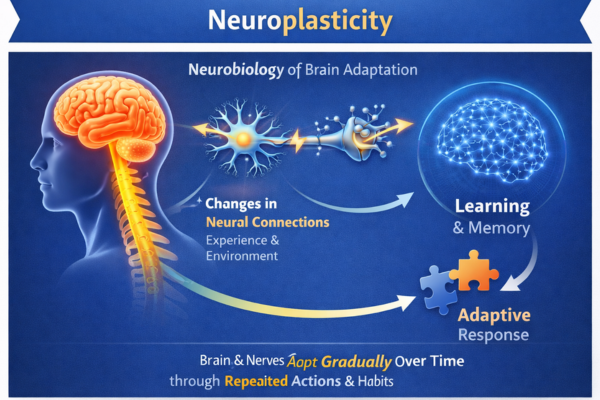
Neuroplasticity refers to the nervous system’s ability to adapt and reorganize. In simple terms, it means the brain and nerves can change over time.
First, the brain and nerves adjust their connections based on experience. For example, repeated actions and daily habits can influence how these connections form. In addition, environmental input may also affect how the system responds.
As a result, this adaptive ability plays an important role in learning, memory, and response patterns. Moreover, it helps the body adjust to different situations over time.
However, neuroplasticity does not mean instant change. Instead, these changes happen slowly and step by step. Therefore, it reflects the system’s ability to gradually shift and adapt.
Neurobiology Damage Pathways
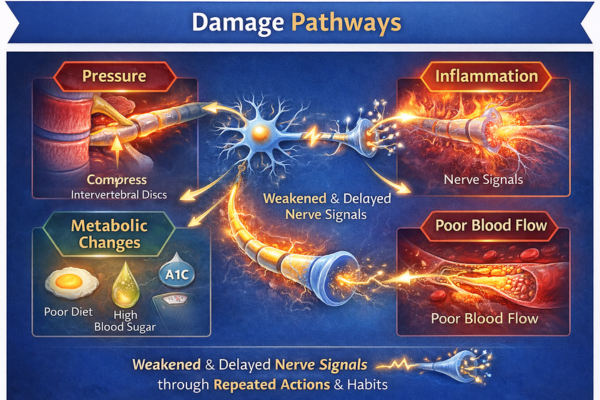
Nerve function may be affected by different types of stress.
For example, pressure on nerves, inflammation, and metabolic changes can affect how signals move. In addition, poor blood flow may also slow down signal transmission.
As a result, these changes may affect sensation or movement. For instance, signals may become weaker or delayed.
However, the effects are not always the same. Instead, they may vary depending on the situation.
Therefore, understanding these pathways helps explain how nerve communication may be disrupted.
Supporting System Education
To better understand how neurobiology connects to overall nerve health, explore these systems:
• Root-Cause Systems
• Regeneration Systems
• Therapeutic Systems
• Nutritional Intelligence
• Human Systems
These systems explain how different biological and environmental factors may interact with nerve function.
Explore the Systems
- System Architecture
- Neural Signaling
- Myelin System
- Neuroplasticity
- Neuroinflammation
- Degeneration Pathways
- Regeneration Biology
- Pain Processing
- Autonomic Regulation
- Brain–Body Integration
Continue Learning
Learning Links:
• Understanding the Nervous System
• Root Causes of Nerve Damage
• Nervous System Regulation
• Nerve Recovery Protocols
Related Conditions
Peripheral Neuropathy
Safety & Education Notice
This page provides educational information about nerve-related symptoms.
It does not offer medical diagnosis, treatment, or personalized medical advice.
If symptoms are severe, persistent, progressive, or unexplained, please consult a licensed healthcare professional.