
Nutritional Deficiency System
Nutrition plays an important role in supporting nerve function, energy production, tissue repair, inflammatory balance, and recovery readiness. The Nutritional Deficiency System explains how insufficient nutritional support may influence the body’s ability to maintain stable nerve communication and recovery capacity.
Quick Navigation
What Is the Nutritional Deficiency System?
The Nutritional Deficiency System highlights the crucial role that nutrient availability plays in various bodily functions, especially in supporting nerve communication, facilitating cellular repair, promoting energy production, and enhancing tissue resilience.
Nerve function is complex and does not occur in isolation. Nerves depend on a detailed network of support systems that involve metabolism—the process by which the body converts food into energy; circulation, which ensures that essential nutrients and oxygen reach the cells; inflammation control that protects tissues from damage; and regeneration, the body’s ability to heal and restore itself. Proper nutrition is essential because it provides the vital raw materials these systems need to function effectively.
Therefore, nutritional support should not simply be viewed as a dietary concern. Instead, it should be recognized as a vital component of the body’s overall recovery process. This perspective acknowledges that optimal nutrition not only supports overall health but also enhances the body’s ability to recover from injuries or illnesses.
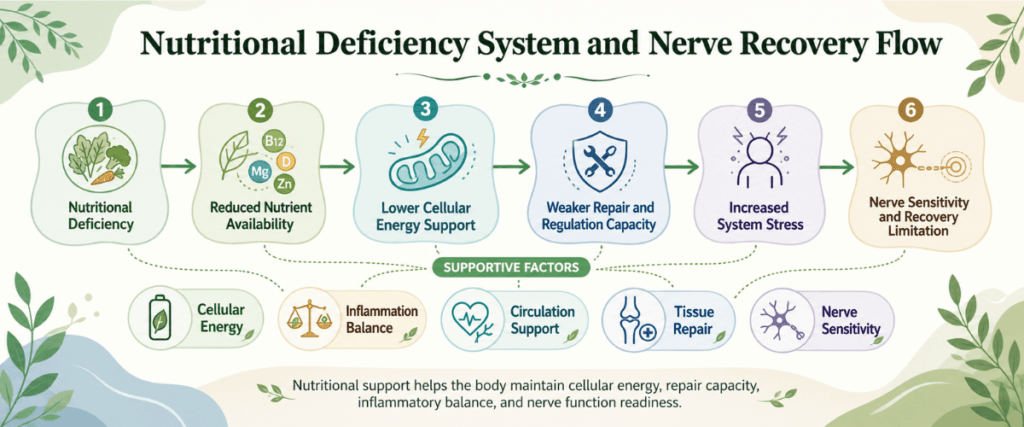
When nutritional support is inadequate, the body may have more difficulty maintaining energy balance, protecting tissues, regulating inflammation, and supporting repair processes. As a result, nutrition can be understood as one important part of the body’s broader recovery environment.
How Nutrition Supports Nerve Function
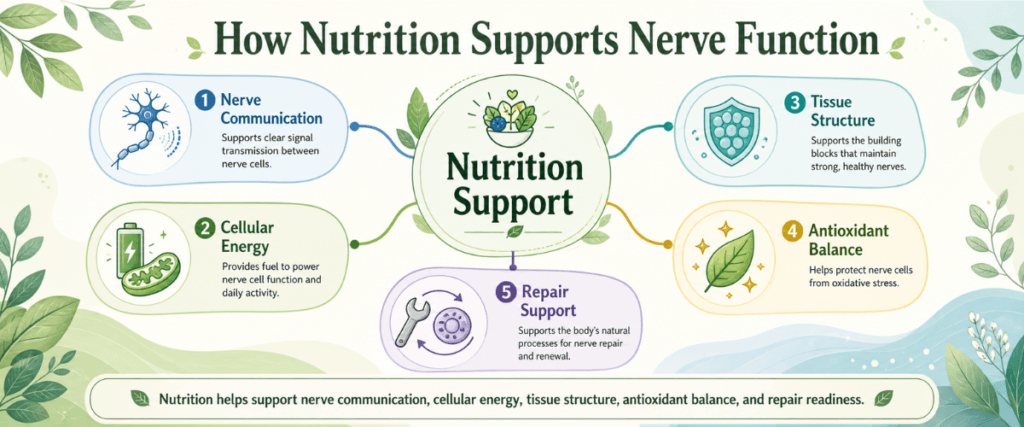
The intricate functionality of the nervous system hinges on effective communication between nerve cells. These cells engage in a complex dance of sending, receiving, and processing signals through an interplay of electrical impulses and chemical reactions. To facilitate this vital process, the body demands a steady flow of essential nutrients, oxygen, and energy, alongside protective resources that safeguard nerve health.
Nutrition plays a pivotal role in supporting these intricate functions in several crucial ways. Firstly, various nutrients are indispensable for sustaining cellular energy production. Nerve cells, which are highly active and require significant energy to perform their roles, can become vulnerable to stress and impairments if their nutritional needs are not met adequately.
Furthermore, nutrients are fundamental to the structural integrity of nerve cells and their surrounding tissues. These structures serve as protective barriers that shield vital signal pathways, ensuring seamless and efficient communication between nerves.
In addition to structural support, nutrition is instrumental in maintaining a delicate balance of antioxidants, which fend off oxidative stress, regulating inflammation and facilitating the body’s repair processes. Consequently, a well-nourished body is intricately linked to multiple recovery systems, enhancing overall nerve function and promoting resilience against various challenges.
Nutrients and Cellular Energy
Cellular energy is essential for maintaining the health and functionality of nerve cells, which serve as the communication pathways within the nervous system. These specialized cells require a steady supply of energy to carry out their critical tasks, such as transmitting signals, managing sensitivity to stimuli, and responding effectively to various physiological demands.
Nutrition plays a pivotal role in this intricate process, providing the vital components necessary for the body to produce and regulate energy efficiently. Specific nutrients, including B vitamins, antioxidants, and healthy fats, are intricately involved in energy metabolism, facilitating oxygen utilization, aiding in tissue maintenance, and offering cellular protection against oxidative stress. When the body lacks these crucial nutrients, the consequences can be profound, leading to less efficient energy production and compromised nerve function.
In such scenarios, the nervous system may find it challenging to adapt to a range of stressors, whether they be increased physical activity, pathological inflammation, or the need for tissue repair following injury. Therefore, viewing nutritional deficiency merely as an absence of a particular vitamin or mineral oversimplifies the issue. In reality, such deficiencies can significantly undermine the overall environment necessary for nerve recovery and wellness, hindering the body’s ability to maintain optimal nervous system performance.
Nutritional Deficiency and Nerve Sensitivity
Nerve sensitivity is influenced by a range of interconnected factors that significantly impact how our nervous system functions. Key factors include inflammation, metabolic stress, circulation issues, tissue irritation, and the overall load placed on the nervous system. Each of these elements plays a distinct role in how nerves respond to stimuli and manage sensations within the body.
Inflammation, for example, can increase nerve sensitivity by altering the chemical environment in which nerve cells operate, leading to heightened pain perception and discomfort. Similarly, metabolic stress—often exacerbated by poor diet or underlying health conditions—can hinder the ability of nerve cells to communicate and function effectively.
Circulation issues, such as those caused by vascular problems, can restrict blood flow, limiting the delivery of vital nutrients and oxygen to nerve cells. This restriction can further compromise nerve function and resilience. Additionally, tissue irritation from repetitive movements, injuries, or other external factors can provoke increased sensitivity and pain in specific areas.
Nutrition plays a crucial role in supporting nerve health and overall functioning. When the body lacks essential nutrients—such as vitamins, minerals, and healthy fats—nerve cells and surrounding support tissues can become less resilient and adaptable. This deficiency may lead to increased susceptibility to stress signals, inflammatory responses, and energy imbalances, resulting in symptoms like pain, tingling, or numbness.
However, it is important not to oversimplify the relationship between nutrition and nerve sensitivity. While nutritional deficiencies can contribute to nerve-related issues, they do not account for every sensation or pain pattern that an individual may experience. Instead, nutrition should be viewed as one supportive factor among many within a complex network of physiological processes that influence nerve health and function. Understanding this multifaceted relationship allows for a more comprehensive approach to managing nerve sensitivity and related conditions.
System Interactions
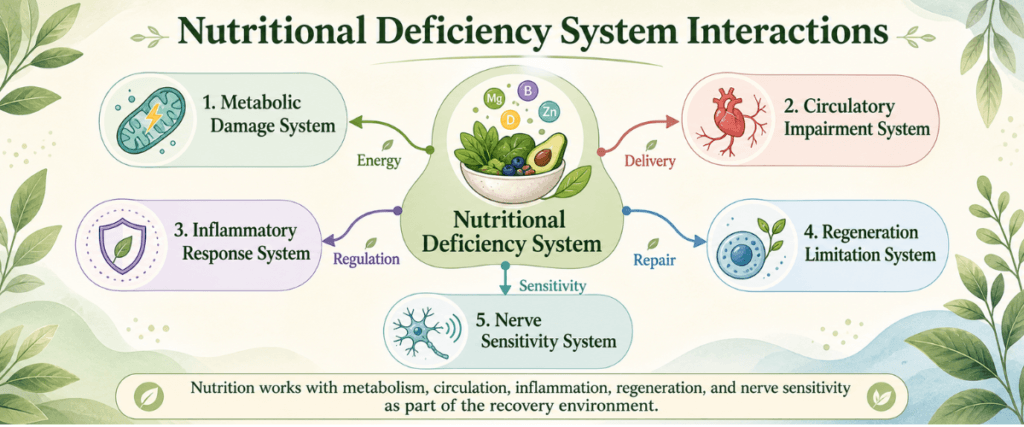
The Nutritional Deficiency System interacts with several other recovery systems. Because the body operates as a network, nutrition can influence multiple pathways simultaneously.
1. Metabolic Damage System
Nutrition is closely connected to metabolism. When nutrient availability is poor, the body may struggle to maintain stable energy production and cellular balance. This metabolic stress can place additional demands on nerve tissues.
2. Circulatory Impairment System
Circulation is essential for delivering oxygen and nutrients to tissues. However, even with active circulation, the body requires adequate nutritional resources to function effectively. Therefore, nutrition and circulation work together to support recovery.
3. Inflammatory Response System
Nutrition plays a role in how the body manages inflammatory activity. Insufficient nutritional support can make it more difficult to maintain an inflammatory balance. As a result, nutrition can impact the body’s ability to regulate stress and repair signals.
4. Regeneration Limitation System
Repair processes depend on raw materials, energy, and coordination. Nutrition is vital in supporting these needs. Additionally, a lack of nutritional support may hinder the body’s capacity to maintain an ideal environment for repair.
5. Nerve Sensitivity System
Nerve sensitivity can increase when multiple systems are under stress. Nutritional deficiencies may exacerbate this by reducing cellular support and tissue resilience. Therefore, it is essential to consider nutrition as part of the broader landscape of nerve sensitivity.
Patterns That May Influence This System
Various patterns can exert significant pressure on the Nutritional Deficiency System, highlighting the critical role of nutritional support in recovery education. While these patterns alone do not definitively indicate a medical issue, they provide valuable insights into how nutritional needs can evolve and the challenges individuals may face in maintaining sufficient dietary intake and balance.
Some common influencing patterns include:
Irregular Eating Habits:
Many individuals struggle with maintaining consistent meal schedules, which can lead to missed meals and erratic nutrient intake. This inconsistency may disrupt metabolic processes and contribute to deficiencies over time.
Low Intake of Nutrient-Dense Foods:
Diets that lack a variety of nutrient-rich foods, such as fruits, vegetables, whole grains, lean proteins, and healthy fats, can fall short of essential vitamins and minerals. This deficiency can compromise health and recovery efforts.
Challenges with Digestion or Nutrient Absorption:
Conditions such as irritable bowel syndrome, celiac disease, or other gastrointestinal issues can impair the body’s ability to digest and absorb nutrients effectively, leading to deficiencies even when food intake is adequate.
Long-Term Stress:
Chronic stress can alter metabolism and hormone levels, leading to increased appetite for unhealthy foods or a reduced desire to eat altogether, further complicating nutritional status.
High Inflammatory Load:
Elevated levels of inflammation in the body, due to factors like chronic illness, poor diet, or environmental toxins, can increase nutrient requirements and make it more difficult for the body to recover from injuries or illnesses.
Poor Sleep and Recovery Patterns:
Inadequate sleep not only affects overall health but also can disrupt hormone balance, leading to increased cravings for unhealthy foods and impacting the body’s ability to utilize nutrients effectively.
High Physical or Metabolic Demand:
Individuals with high levels of physical activity or those undergoing intense metabolic stress, such as athletes or those recovering from surgery, often require significantly more nutrients to support their energy levels and recovery processes.
Limited Intake of Protein or Micronutrients:
Insufficient protein intake can impair muscle recovery and immune function, while a lack of micronutrients such as vitamins and minerals can hinder various biochemical processes essential for health.
Reduced Appetite During Illness or Stress:
Physical or psychological stressors can diminish appetite, making it challenging for individuals to consume the necessary nutrients to support their health during difficult times.
Poor Hydration and Mineral Balance:
Dehydration can lead to a variety of health issues, including fatigue and impaired cognitive function. Moreover, an imbalance in essential minerals can affect everything from muscle function to nerve transmission.
It’s important to recognize that these lifestyle patterns often interact with one another, creating a complex web of influences on nutritional health. For instance, poor sleep can contribute to heightened stress levels, which may in turn lead to disordered eating patterns. This interconnectedness emphasizes the necessity for nutritional support throughout the recovery process, as it can serve as a foundational element in addressing various health challenges and promoting overall well-being.
Visual System Flow
Why This System Matters for Recovery
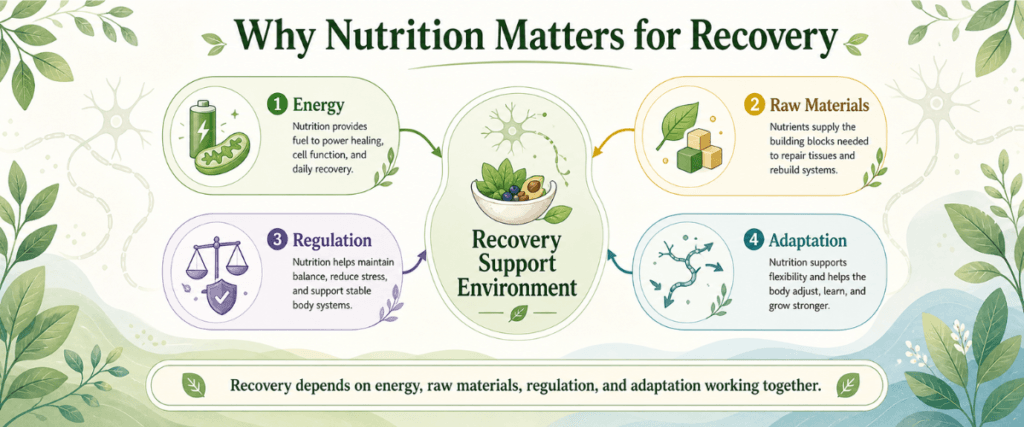
Recovery Requires Energy
Cellular repair and regulation are energy-intensive activities. The body transforms nutrients from food into cellular energy through metabolic processes. Adequate nutrition not only provides the necessary calories but also ensures that the body can efficiently produce and manage energy levels, which are essential for effective recovery.
Recovery Requires Raw Materials
Tissues throughout the body, including muscles, nerves, and organs, require specific building blocks for ongoing maintenance and repair. These building blocks include proteins, fats, vitamins, and minerals, which are all derived from nutrients. By consuming a well-balanced diet rich in these essential nutrients, individuals can support their body’s natural healing processes and promote tissue regeneration.
Recovery Requires Regulation
Effective recovery also relies on the body’s ability to regulate key physiological responses, including inflammation, the stress response, and sensitivity. Chronic inflammation can impede recovery, so a diet rich in anti-inflammatory foods—such as fruits, vegetables, whole grains, and healthy fats—can contribute to maintaining this balance. Nutritional support aids in regulating these systems, helping the body respond appropriately to stressors and manage inflammation.
Recovery Requires Adaptation
The nervous system continuously adapts to a variety of demands, including physical activity, periods of rest, stress, and the requirements of healing. Supporting these adaptations with the right nutrition can create a more stable and conducive environment for recovery. Essential fatty acids, vitamins, and minerals, for example, play crucial roles in maintaining nerve health and supporting neural plasticity.
For this reason, nutrition should be understood as a foundational support system within nerve recovery education. It does not work alone, but it may help create a more supportive environment for energy production, regulation, repair, and adaptation.
Common Misunderstandings
Misunderstanding 1: Nutrition Alone Can Fix Every Nerve Problem
Nutrition is crucial for maintaining and supporting nerve function, but it is important to understand that it is not the only factor influencing nerve health. Nerve-related issues can result from a complex interplay of various elements, including circulation problems that restrict blood flow to nerve tissue, inflammation that can damage nerve cells, and physical injuries or compression that disrupt nerve signals. Other contributing factors may include metabolic disorders, autoimmune conditions affecting nerve function, and even genetic predispositions. While nutrition is an important supportive element in managing nerve conditions, it should not be viewed as a standalone remedy or a guaranteed solution for every nerve issue.
Misunderstanding 2: A Single Vitamin Explains All Nerve Sensitivity
Many people believe that one specific vitamin or nutrient can fully account for nerve sensitivity or other nervous system disorders. While certain nutrients, such as B vitamins, omega-3 fatty acids, and antioxidants, are indeed essential for optimal nerve health, the nervous system relies on a complex network of multiple systems and biochemical processes. These nutrients work together, and a deficiency in any one of them can lead to problems. Therefore, focusing exclusively on one vitamin or nutrient can create a narrow perspective, overlooking the broader spectrum of dietary and lifestyle factors necessary for effective recovery and long-term nerve health.
Misunderstanding 3: More Supplements Always Mean Better Recovery
It is a common misconception that taking a higher quantity of nutritional supplements will speed up recovery from nerve-related issues. However, the idea that “more is better” does not apply to nutritional supplements. They should be taken in a balanced and appropriate manner based on individual needs. Excessive intake of certain supplements can even lead to adverse effects and interactions, especially in individuals with pre-existing conditions or those on medications. It is important to tailor any supplement regimen to one’s specific health needs and consult with a healthcare professional for personalized advice, particularly in cases where symptoms are persistent, severe, or unexplained.
Misunderstanding 4: Deficiency Always Causes Obvious Symptoms
People often assume that nutritional deficiencies will show obvious and severe symptoms. In reality, the development of nutritional imbalances can be gradual and subtle, making it difficult to identify the underlying causes of nerve problems. Symptoms often overlap with those of various other medical conditions, leading to confusion and self-diagnosis based on incomplete information. Therefore, it is essential not to rely solely on general knowledge or assumptions when dealing with nerve-related issues. Seeking a thorough evaluation from a healthcare provider is vital for accurately identifying the root causes of symptoms and determining an appropriate course of action tailored to the individual’s specific condition.
Continue Learning
To understand this system more clearly, it may help to explore how nutrition connects with other body systems involved in nerve recovery.
Recommended next topics:
Each of these systems helps explain a different part of the recovery environment.
Related Systems
Metabolic Damage System
Nutrition supports energy metabolism. Therefore, nutritional imbalance may influence how the body manages cellular energy and metabolic stress.
Circulatory Impairment System
Circulation helps deliver nutrients and oxygen to tissues. Because of this, nutrition and circulation work together to support recovery readiness.
Inflammatory Response System
Nutritional support may influence inflammatory balance. As a result, it can affect how the body responds to stress and repair demands.
Regeneration Limitation System
Repair requires energy, nutrients, and coordination. Nutrition helps support the body’s ability to maintain this repair environment.
Nerve Sensitivity System
Nerve sensitivity may be influenced by energy balance, inflammatory activity, circulation, and repair capacity. Therefore, nutritional support can be understood as one part of the broader sensitivity and recovery environment.
Support Your Nerve Recovery Education
Nutrition is one part of a larger recovery system. To understand nerve health more clearly, continue exploring how metabolism, circulation, inflammation, and regeneration work together.
Safety & Education Notice
This content is for educational purposes only. It is not intended to diagnose, treat, cure, or prevent any disease or medical condition.
Nerve-related symptoms can have many possible causes. Therefore, anyone with persistent, worsening, severe, or unexplained symptoms should seek guidance from a qualified healthcare professional.
Nutritional deficiency should not be self-diagnosed based only on general information. Testing, clinical evaluation, and professional advice may be needed when a deficiency or health concerns are suspected.