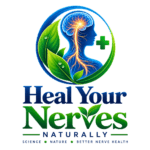
Healing Sequencing: Understanding Recovery Progression
Recovery is often described as a journey. However, many people expect that journey to move in a straight line. In reality, progress rarely happens all at once. Instead, recovery, learning, adaptation, and resilience often develop through a series of connected stages that unfold over time. This idea is known as Healing Sequencing.
Healing Sequencing helps explain how different experiences, challenges, adjustments, and learning opportunities may occur in a meaningful order. Rather than viewing recovery as a single event, this framework looks at recovery as a process that develops through awareness, stabilization, learning, adaptation, integration, and resilience.
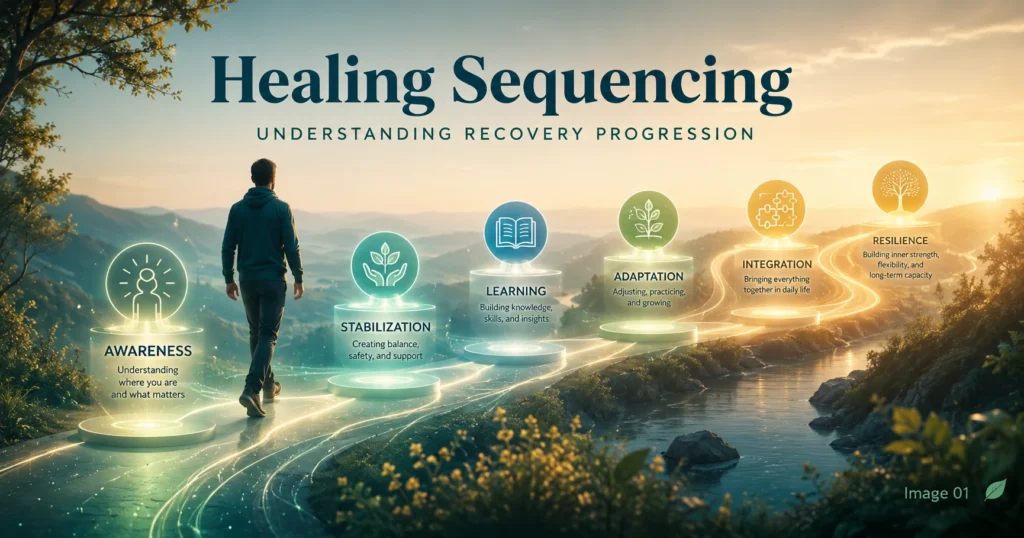
As a result, Healing Sequencing provides a useful way to understand why some changes seem to happen quickly while others require more time. It also helps explain why progress may sometimes feel uneven even when meaningful learning and adaptation are taking place beneath the surface.
Within the Heal Your Nerves Naturally educational framework, Healing Sequencing connects closely with Recovery Engineering, Integration, Feedback Systems, Load Management, Adaptation Engineering, Neuromodulation, Neuroplastic Adaptation, and Recovery Capacity & Nervous System Resilience. Together, these topics help explain how people learn, adjust, recover, and adapt throughout life.
Recovery is rarely about reaching a perfect destination. Instead, it is often about understanding how different stages work together to support long-term learning, resilience, and everyday function.
Quick Navigation
- What Is Healing Sequencing?
- Plain Meaning / Glossary Box
- How Healing Sequencing Works
- Why Recovery Rarely Happens All at Once
- Key Layers of Healing Sequencing
- Awareness Layer of Healing Sequencing
- Stabilization Layer of Healing Sequencing
- Learning Layer of Healing Sequencing
- Adaptation Layer of Healing Sequencing
- Integration Layer of Healing Sequencing
- Resilience Layer of Healing Sequencing
- Real-Life Symptom Language Bridge
- Healing Sequencing and Human Systems
- Healing Sequencing Interactions
- Practical Daily-Life Examples
- Healing Sequencing Visual Flow
- Why Healing Sequencing Matters
- Common Misunderstandings About Healing Sequencing
- Related Condition Connections
- How Healing Sequencing Connects With Other Nerve Health Pages
- Topic Cluster Placement
- Healing Sequencing FAQ
- Continue Learning
- Sources / References
- Author / Editorial Trust Note
- Educational Trust Note
- Safety & Education Notice
What Is Healing Sequencing?
Healing Sequencing is an educational concept that explains how recovery, learning, adaptation, and resilience often develop through a series of connected stages rather than through a single event.
Many people assume that progress should happen quickly and in a straight line. However, real life is often more complex. Some changes happen early, while others take longer to develop. In addition, certain forms of learning may need to occur before later stages of adaptation can take place. Because of this, recovery often follows a sequence rather than a single step.
Healing Sequencing focuses on the order in which growth, adjustment, learning, and adaptation may occur. It helps explain why awareness often comes before change, why stabilization may support future learning, and why adaptation frequently develops through repeated experiences over time.
As a result, Healing Sequencing provides a broader framework for understanding recovery progression. Rather than asking only whether progress is happening, it encourages people to consider where they may be within a larger learning and adaptation process.
Furthermore, Healing Sequencing recognizes that different people may move through these stages in different ways. Therefore, the goal is not to create a rigid formula. Instead, the goal is to understand how different stages can work together to support long-term adjustment, resilience, and everyday function.
Plain Meaning / Glossary Box
Plain Meaning
In simple terms, Healing Sequencing means understanding that recovery, learning, adaptation, and resilience often happen through a series of connected stages rather than all at once.
Many people expect positive change to happen immediately. However, most forms of growth develop gradually. Before people can make meaningful adjustments, they often need awareness. Before long-term adaptation develops, they may need learning and practice. Likewise, before resilience grows, earlier stages of recovery and adjustment often need time to develop.
Because of this, Healing Sequencing focuses on the order in which different experiences, lessons, adjustments, and adaptations occur. Instead of looking at recovery as a single event, it views recovery as a process that unfolds step by step over time.
As a result, Healing Sequencing helps explain why progress may sometimes feel slow even when meaningful changes are occurring beneath the surface.
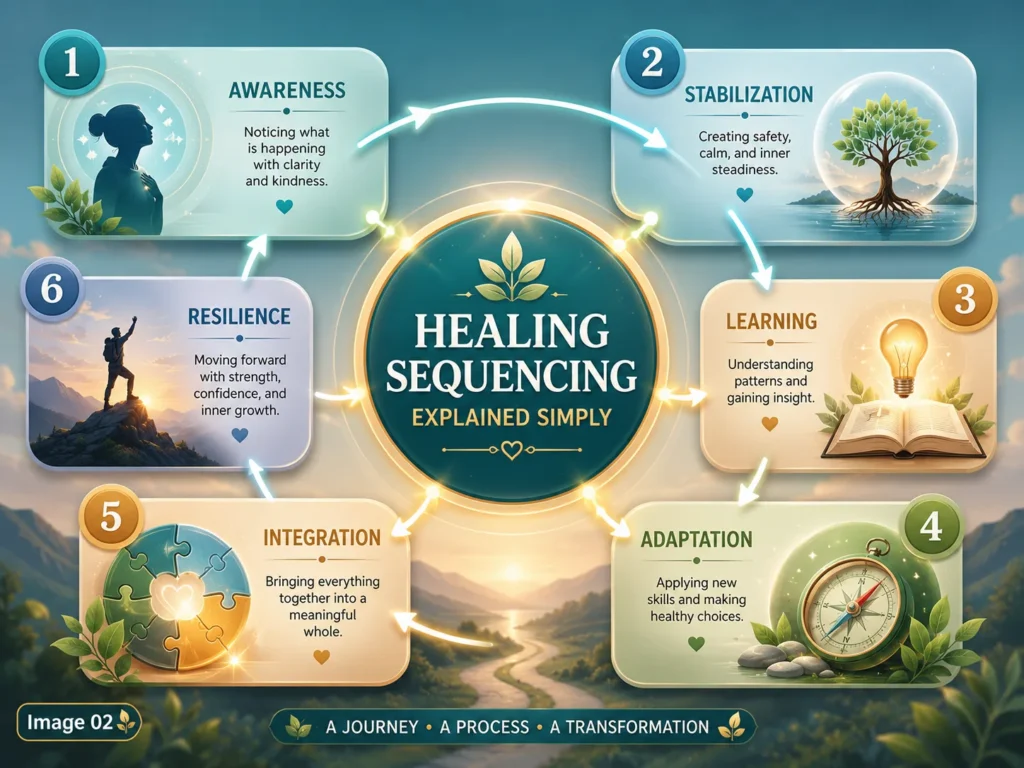
Why Recovery Often Happens in Stages
Many experiences in life develop through stages. Learning a skill, building confidence, adapting to change, and improving performance rarely happen instantly.
For example, someone learning to drive usually begins with awareness and basic understanding. Next comes practice and stabilization. Then experience improves confidence and adaptability. Finally, driving becomes more natural and automatic.
Healing Sequencing applies a similar idea to recovery and adaptation. Different stages often build upon one another. Therefore, understanding the sequence can make progress easier to understand.
Simple Definitions
Awareness = Recognizing patterns, challenges, needs, or opportunities for change.
Stabilization = Creating enough consistency and balance to support future learning.
Learning = Gaining new information, skills, understanding, or experiences.
Adaptation = Adjusting responses based on learning and repeated experiences.
Integration = Connecting new learning into everyday life and function.
Resilience = Developing greater flexibility and capacity to respond to future challenges.
Healing Sequencing = Understanding how these stages often work together over time.
A Simple Example
Imagine building a house.
First, the land is prepared. Then a foundation is built. After that, the structure develops. Later, the systems are connected. Finally, the house becomes fully functional.
Recovery and adaptation often follow a similar pattern. Early stages create the conditions for later stages. Because of this, Healing Sequencing focuses on understanding how different parts of the process connect and support one another.
As a result, this framework helps explain why recovery is often best understood as a progression rather than a single moment of change.
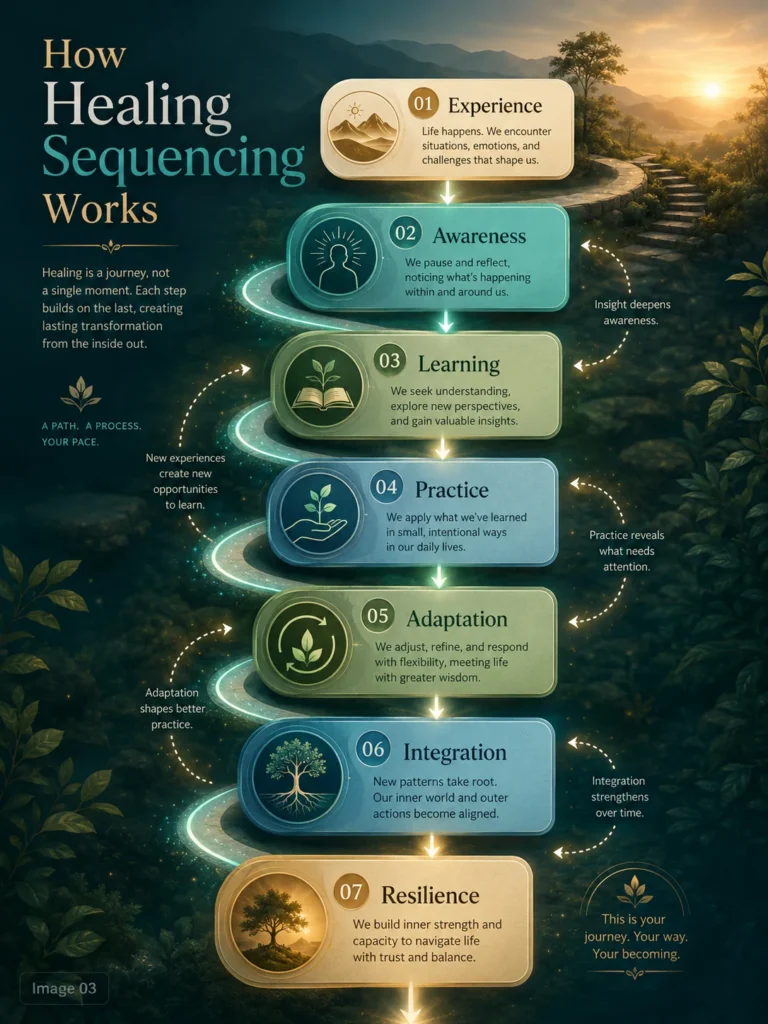
How Healing Sequencing Works
Healing Sequencing works by viewing recovery, learning, adaptation, and resilience as parts of an ongoing progression. Rather than focusing on a single event, it looks at how different stages influence one another over time.
Every experience creates information. Every challenge creates opportunities for learning. Every adjustment creates possibilities for future adaptation. Because of this, recovery is often influenced by what happens before, during, and after a particular experience.
The process does not always move in a perfectly straight line. Sometimes people revisit earlier stages. At other times, progress may occur more quickly. Nevertheless, many forms of recovery follow a general sequence that helps support long-term growth and adaptation.
Awareness Creates the Starting Point
Most forms of change begin with awareness.
People first notice a pattern, challenge, opportunity, or area that needs attention. Without awareness, meaningful adjustment becomes difficult because there is little information available to guide future decisions.
Therefore, awareness often acts as the first step within Healing Sequencing.
Stabilization Creates a Foundation
After awareness develops, stabilization often becomes important.
Stabilization does not mean perfection. Instead, it means creating enough consistency, balance, and predictability to support future learning and adaptation.
For example, people often learn more effectively when they have a stable foundation from which to work. As a result, stabilization frequently supports later stages of growth.
Learning Creates New Possibilities
Once a stable foundation exists, learning can expand understanding.
Learning may come from education, experience, reflection, observation, feedback, or practice. Because learning provides new information, it helps people develop new perspectives and potential responses.
Therefore, learning often serves as a bridge between awareness and adaptation.
Adaptation Changes Future Responses
Adaptation occurs when learning begins influencing behavior, decisions, and responses.
Through repeated experiences, people often become more flexible, confident, and capable of responding to future challenges.
As a result, adaptation helps transform information into practical change.
Integration Connects Everything Together
Integration occurs when new learning and adaptation become part of everyday life.
Instead of requiring constant effort or attention, new skills and responses become more familiar and natural.
Because of this, integration helps create lasting change and supports future resilience.
Resilience Supports Long-Term Progress
Over time, repeated cycles of awareness, stabilization, learning, adaptation, and integration may contribute to resilience.
Resilience does not mean avoiding challenges. Instead, it refers to the ability to continue responding, learning, adjusting, and adapting when challenges occur.
Therefore, resilience can be viewed as one of the long-term outcomes supported by effective Healing Sequencing.
Why Recovery Rarely Happens All at Once
Many people expect recovery, learning, and personal growth to happen quickly. In reality, meaningful change often develops through a series of smaller adjustments that build upon one another over time. Because of this, recovery rarely happens all at once.
Instead, progress often unfolds through repeated cycles of awareness, learning, adaptation, practice, and integration. Some improvements may appear quickly, while others may take longer to become noticeable. Therefore, recovery is often better understood as a progression rather than a single event.
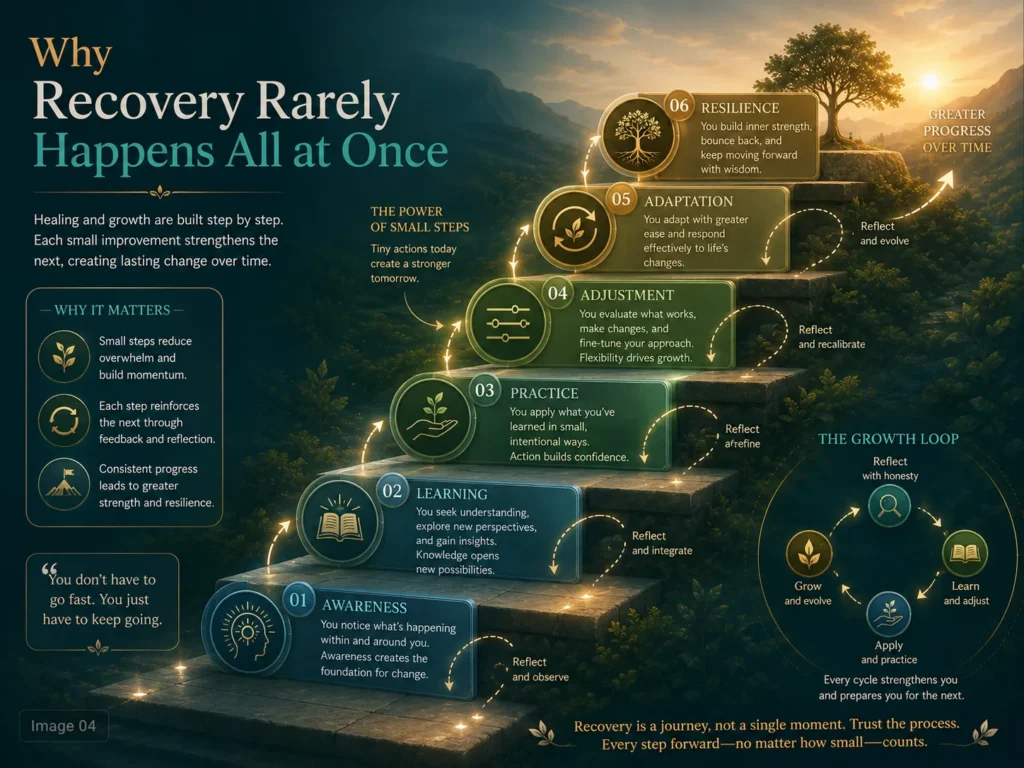
Different Systems Change at Different Speeds
One reason recovery rarely happens all at once is that different systems often adapt at different rates.
For example, a person may understand a new idea quickly but need more time to apply it consistently. Likewise, confidence may improve before habits change, or habits may improve before long-term resilience develops.
Because different forms of adaptation occur on different timelines, progress may feel uneven even when meaningful changes are taking place.
Learning Often Comes Before Lasting Change
Learning is frequently one of the earliest stages of progress. People gather information, develop awareness, and begin understanding new possibilities.
However, understanding something does not automatically create lasting change. Most people need opportunities to practice, apply, and refine new skills before those skills become part of everyday life.
As a result, learning often acts as an important bridge between awareness and adaptation.
Progress Is Not Always Linear
Many people imagine recovery as a straight line that moves steadily forward. Real life rarely works that way.
Some periods involve rapid improvement. Other periods involve reflection, adjustment, or consolidation. Occasionally, challenges may reappear in new forms that require additional learning.
Therefore, temporary setbacks do not always mean progress has stopped. Instead, they may represent part of a larger adaptation process.
Small Changes Can Create Larger Outcomes
Long-term change often develops through many small adjustments.
For example, a person may gradually improve routines, strengthen skills, develop confidence, increase flexibility, and build experience over time. Individually, these changes may seem small. Together, however, they can create meaningful progress.
Because of this, Healing Sequencing focuses on cumulative development rather than dramatic overnight transformation.
Recovery Is Often a Process of Building
Recovery frequently involves building new understanding, new habits, new responses, and new capacities.
Rather than replacing one state with another instantly, people often create progress through repeated experiences and ongoing learning. As a result, recovery can be viewed as an evolving process that develops through time, practice, and adaptation.
Understanding this perspective can help readers develop more realistic expectations about growth, learning, and long-term resilience.
Key Layers of Healing Sequencing
Healing Sequencing includes several connected layers that help explain how recovery, learning, adaptation, and resilience may develop over time. While every person’s experience is unique, many forms of progress involve similar stages that work together to support long-term growth.
Each layer contributes something different. Some layers help people recognize patterns. Others help create stability, support learning, encourage adaptation, or strengthen resilience. Because these layers interact continuously, they are best understood as parts of a larger process rather than isolated steps.
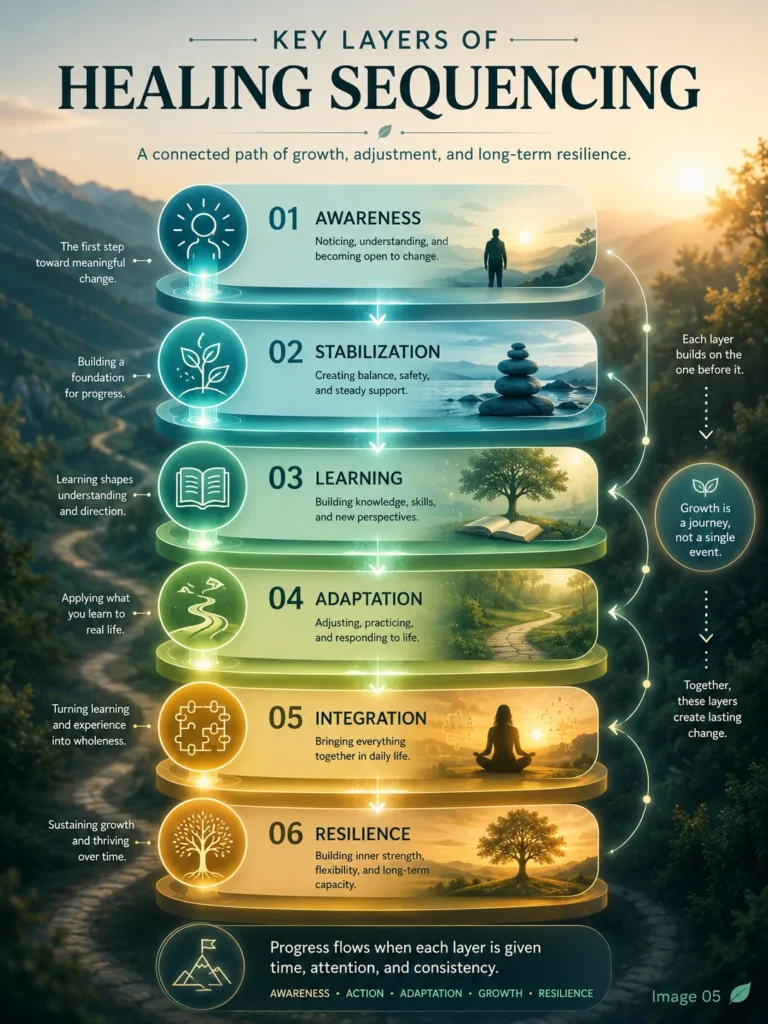
The Main Layers
The main layers of Healing Sequencing include:
- Awareness
- Stabilization
- Learning
- Adaptation
- Integration
- Resilience
Together, these layers help explain how people move from recognizing challenges to developing greater flexibility, understanding, and long-term capacity.
Why These Layers Matter
Without awareness, meaningful change is difficult because there is little information available to guide decisions.
Without stabilization, learning may become harder because resources are constantly being pulled in different directions.
Without learning, adaptation has less information to work with.
Without adaptation, new knowledge may never influence future responses.
Without integration, progress may remain temporary.
Without resilience, future challenges may become harder to navigate.
Therefore, each layer contributes something important to the overall progression.
Layers Work Together
Although these layers are presented separately, they rarely function independently.
For example, learning may increase awareness. Adaptation may improve resilience. Integration may strengthen future learning. Likewise, resilience may support future adaptation.
Because these relationships constantly influence one another, Healing Sequencing is best understood as a connected system rather than a rigid step-by-step formula.
A Dynamic Process
People do not always move through these layers in the same way.
Some stages may receive more attention at certain times. Others may develop gradually in the background. As a result, Healing Sequencing should be viewed as a flexible educational framework that helps explain how recovery progression often unfolds across many areas of life.
Awareness Layer of Healing Sequencing
The Awareness Layer represents the starting point of many forms of recovery, learning, and adaptation. Before meaningful change can occur, people often need to recognize patterns, challenges, opportunities, or areas that require attention.
Awareness provides information. It helps people notice what is happening, how different factors interact, and where adjustments may be helpful. Therefore, awareness often acts as the foundation upon which later stages are built.
Recognizing Patterns
Awareness frequently begins with observation.
People may start noticing recurring experiences, repeated challenges, changing circumstances, or opportunities for improvement. These observations provide valuable information that can guide future decisions.
Because patterns often become clearer over time, awareness may continue developing throughout the entire Healing Sequencing process.
Creating Understanding
Awareness is not only about noticing something exists. It is also about understanding how different pieces connect.
For example, people may begin seeing relationships between demands, recovery, learning, adaptation, and everyday function. As understanding grows, future decisions often become easier to navigate.
Therefore, awareness helps transform information into insight.
Building a Foundation for Change
Without awareness, adaptation often becomes difficult because there is little direction for future adjustments.
When awareness improves, people gain a clearer picture of their circumstances. As a result, they are often better prepared to move into later stages such as stabilization, learning, and adaptation.
Awareness Continues Throughout the Process
Many people assume awareness is only the first stage. However, awareness continues to play an important role throughout Healing Sequencing.
Each new experience can create additional insight. Each challenge can reveal new information. Therefore, awareness remains an ongoing part of learning, adaptation, and long-term resilience.
Stabilization Layer of Healing Sequencing
The Stabilization Layer focuses on creating enough consistency, balance, and predictability to support future learning and adaptation. After awareness develops, people often benefit from having a foundation that allows them to process information, build skills, and respond to challenges more effectively.
Stabilization does not mean that everything becomes perfect or problem-free. Instead, it means creating conditions that support progress. Because constant disruption can make learning and adaptation more difficult, stabilization often helps prepare the way for future growth.
Creating a More Reliable Foundation
Many forms of progress require a stable starting point.
For example, people often learn more effectively when daily routines are reasonably organized. Likewise, consistent habits, supportive environments, and manageable demands may help create conditions that support future development.
As a result, stabilization can make later stages of Healing Sequencing easier to navigate.
Reducing Unnecessary Disruption
Stabilization often involves reducing factors that interfere with learning, adjustment, or recovery.
This does not mean eliminating all challenges. Challenges can provide important opportunities for growth. However, reducing unnecessary disruption may help people direct more resources toward adaptation and learning.
Therefore, stabilization often focuses on creating a workable balance rather than removing all demands.
Supporting Future Learning
Learning becomes easier when people have enough resources available to absorb, process, and apply new information.
Because stabilization helps create a stronger foundation, it often supports the Learning Layer that follows. As a result, stabilization acts as an important bridge between awareness and future growth.
Stabilization Is an Ongoing Process
Stabilization is not something that happens only once.
Life circumstances change. New responsibilities appear. Unexpected challenges emerge. Therefore, people may revisit stabilization many times throughout life.
Because of this, stabilization should be viewed as an ongoing process that supports flexibility, learning, and adaptation over time.
Learning Layer of Healing Sequencing
The Learning Layer focuses on acquiring new information, developing understanding, and building skills that support future adaptation. Once a reasonable level of stabilization exists, people are often better positioned to absorb new experiences and expand their knowledge.
Learning can occur in many ways. Some learning comes through education. Other learning comes through observation, practice, feedback, reflection, and everyday experiences. Because learning takes many forms, it plays a central role in Healing Sequencing.
Learning Creates New Possibilities
Every new piece of information creates additional options for future responses.
For example, understanding a new concept may change how someone approaches a challenge. Likewise, gaining experience may reveal solutions that were not previously visible.
As a result, learning often expands flexibility and increases future opportunities for adaptation.
Experience Is a Powerful Teacher
While formal education can be valuable, many important lessons come through direct experience.
People often learn by trying new approaches, observing outcomes, making adjustments, and reflecting on results. Because experience provides real-world feedback, it frequently becomes an important source of learning.
Therefore, Healing Sequencing recognizes experience as a major contributor to long-term development.
Learning Builds Confidence
As understanding grows, confidence often grows as well.
People frequently feel more capable when they understand how something works or when they have practiced a skill repeatedly. This increased confidence can support future decision-making and adaptation.
As a result, learning often contributes to both competence and resilience.
Learning Continues Throughout Life
Learning is not limited to one stage of life.
New situations, responsibilities, relationships, and experiences continue creating opportunities for growth. Because life is constantly changing, learning remains an ongoing part of Healing Sequencing.
Therefore, the Learning Layer serves as a continuous source of information that supports future adaptation and integration.
Adaptation Layer of Healing Sequencing
The Adaptation Layer focuses on how people adjust their responses based on learning, experience, and repeated exposure to different situations. While learning provides information, adaptation helps transform that information into practical change.
Adaptation often develops gradually. Rather than happening overnight, it usually emerges through repeated cycles of awareness, stabilization, learning, practice, and feedback. Because of this, adaptation is often one of the most important long-term outcomes within Healing Sequencing.
Turning Learning Into Action
Learning creates knowledge. Adaptation applies that knowledge.
For example, understanding a concept is helpful. However, applying that understanding in everyday situations often creates deeper and more lasting change.
Therefore, adaptation helps bridge the gap between information and action.
Adjusting to Changing Circumstances
Life rarely remains the same for long.
Responsibilities change. Environments evolve. New challenges appear. Because of this, adaptation helps people respond more effectively to changing conditions.
Rather than relying on one fixed response, adaptation encourages flexibility and adjustment over time.
Building Future Capacity
Adaptation often contributes to increased future capacity.
As people gain experience and refine their responses, tasks that once felt difficult may become easier to manage. This does not mean demands disappear. Instead, it means the ability to respond may improve.
As a result, adaptation often supports long-term growth and resilience.
Adaptation Supports Flexibility
Flexibility is one of the most valuable outcomes of adaptation.
Instead of responding the same way in every situation, people learn how to adjust based on context, circumstances, and available resources. Therefore, adaptation helps create a wider range of effective responses.
Because flexibility supports learning, resilience, and problem-solving, adaptation remains a central part of Healing Sequencing.
Integration Layer of Healing Sequencing
The Integration Layer focuses on bringing together learning, adaptation, experience, and new responses into everyday life. After people learn new skills and begin adapting to challenges, integration helps those changes become more consistent, practical, and sustainable over time.
Learning alone does not always create lasting change. Many people understand new ideas, yet those ideas may remain separate from daily routines and real-world experiences. Because of this, integration plays an important role in transforming knowledge into everyday function.
As learning becomes integrated, new responses often require less conscious effort. Skills become more familiar, habits become more consistent, and decision-making may feel more natural. Therefore, integration helps bridge the gap between short-term learning and long-term development.
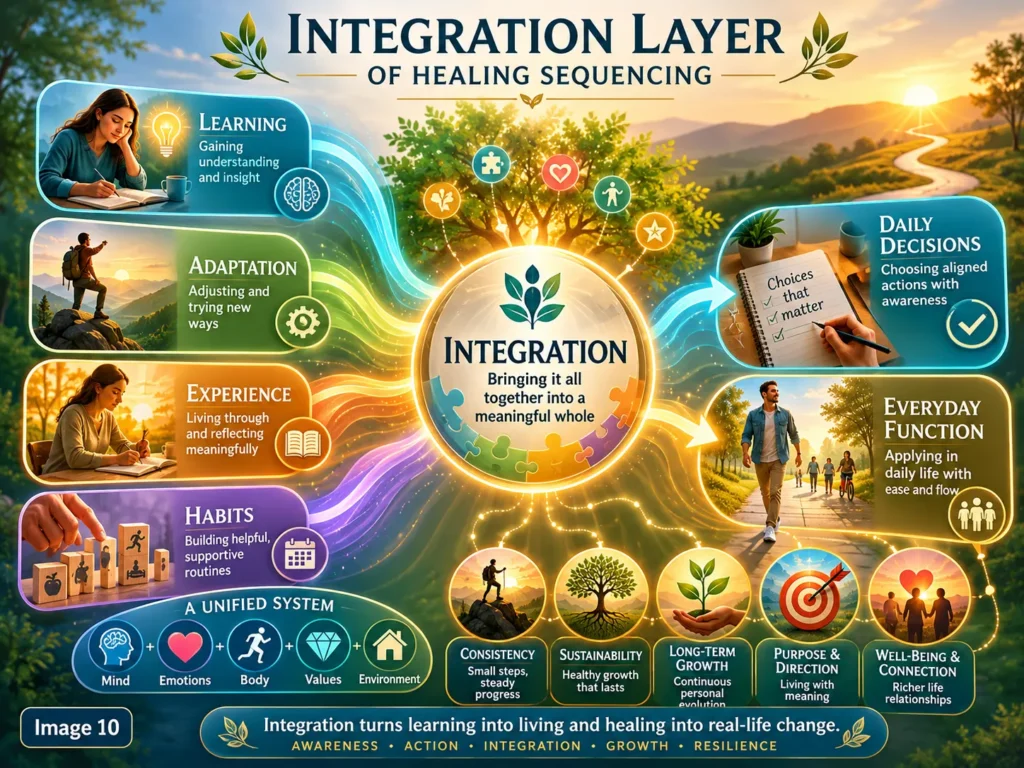
Connecting Learning With Daily Life
One of the primary purposes of integration is to connect learning with real-world experiences.
For example, a person may learn a new skill, develop a different perspective, or discover a more effective way to approach a challenge. Through repeated use and experience, that learning may gradually become easier to apply in everyday situations.
As a result, integration helps transform isolated lessons into practical tools that support daily function.
Creating Consistency
Consistency often develops through integration.
When new skills, habits, and responses become part of everyday life, people spend less energy trying to remember what to do. Instead, those responses gradually become more natural and reliable.
Because of this, integration often supports stability, confidence, and future adaptation.
Strengthening Connections
Integration also helps create connections between different experiences.
For example, learning gained in one situation may become useful in another. Likewise, experience developed in one area of life may help support adaptation in a completely different area.
Therefore, integration often creates a broader and more connected understanding of how different experiences contribute to growth and development.
Integration Supports Future Growth
Integration is not the end of Healing Sequencing. Instead, it creates a stronger foundation for future learning, adaptation, and resilience.
As people continue encountering new experiences, integrated learning can support more effective responses, greater flexibility, and ongoing development. As a result, integration becomes an important contributor to long-term growth throughout life.
Resilience Layer of Healing Sequencing
The Resilience Layer focuses on the ability to continue learning, adapting, and responding to challenges over time. Resilience does not mean avoiding difficulties or never experiencing setbacks. Instead, it refers to the capacity to keep moving forward while adjusting to changing circumstances.
Within Healing Sequencing, resilience often develops through repeated cycles of awareness, stabilization, learning, adaptation, and integration. Because these experiences build upon one another, resilience is frequently viewed as a long-term outcome rather than a starting point.
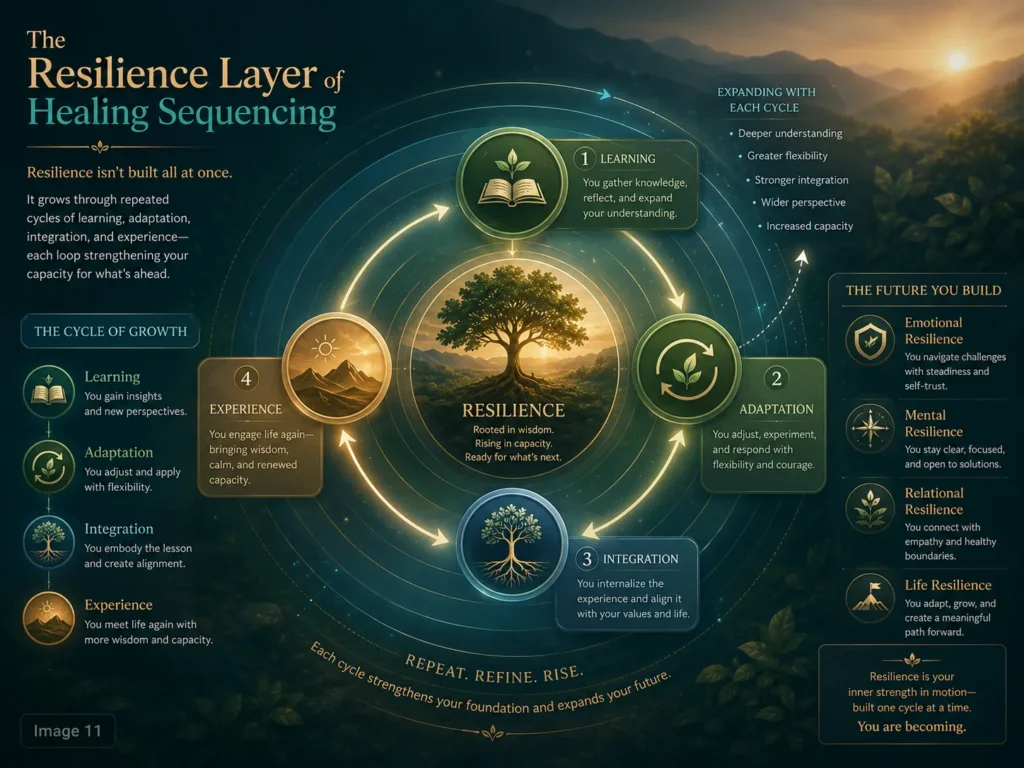
Resilience Develops Over Time
Many people think resilience is something people either have or do not have.
In reality, resilience often develops gradually. Experiences, learning opportunities, supportive environments, recovery, and adaptation can all contribute to greater resilience over time.
Therefore, resilience is often viewed as a process rather than a fixed trait.
Learning Supports Resilience
Every challenge can provide information.
Every adjustment can create experience.
Every adaptation can improve future responses.
Because resilience is built upon learning and adaptation, it often grows through repeated exposure to different situations and experiences.
As a result, resilience and Healing Sequencing remain closely connected.
Flexibility Is a Key Part of Resilience
One of the most important aspects of resilience is flexibility.
Life changes constantly. Therefore, the ability to adjust, learn, and respond effectively often becomes more valuable than trying to control every situation.
Because flexibility supports adaptation, it plays an important role within the Resilience Layer.
Resilience Supports Future Healing Sequences
Healing Sequencing does not happen only once.
Throughout life, people encounter new challenges, opportunities, responsibilities, and experiences. Resilience helps support future cycles of learning, adaptation, and growth.
Real-Life Symptom Language Bridge
Many readers explore Healing Sequencing because they notice changes in recovery, learning, resilience, adaptation, or daily function. Others may feel as though progress is taking longer than expected or that improvement is happening in some areas but not others.
People often describe these experiences using everyday language.
For example, someone may say:
- “I feel like I’m making progress, but slowly.”
- “Some things are improving while other things are not.”
- “I keep learning new things about myself.”
- “I feel stuck between stages.”
- “I’m adjusting, but it takes time.”
- “Things are easier than before, but not fully comfortable yet.”
- “I feel like I’m rebuilding step by step.”
- “Progress comes in phases.”
These experiences can have many different causes. Therefore, Healing Sequencing should never be viewed as the only explanation for symptoms, challenges, or life experiences.
Instead, this topic provides an educational framework for understanding how learning, recovery, adaptation, and resilience may develop over time.
Looking Beyond One Moment
People often judge progress based on a single day or a single experience.
However, Healing Sequencing encourages a broader perspective. Rather than focusing on one moment, it looks at patterns that develop across weeks, months, and longer periods of time.
As a result, it can become easier to recognize meaningful progress that may not be obvious from day to day.
Understanding Progress Differently
Progress is not always dramatic.
Sometimes progress appears as greater awareness. Sometimes it appears as improved flexibility. Other times it appears as better understanding, stronger routines, or increased confidence.
Because growth can take many forms, Healing Sequencing helps readers appreciate the many ways adaptation and resilience may develop throughout life.
Healing Sequencing and Human Systems
Healing Sequencing connects closely with Human Systems because recovery, learning, adaptation, and resilience influence many aspects of daily life. Every person experiences physical, emotional, cognitive, social, and behavioral demands that interact with one another.
Because these systems constantly influence one another, Healing Sequencing helps explain how progress often develops across multiple areas at the same time.
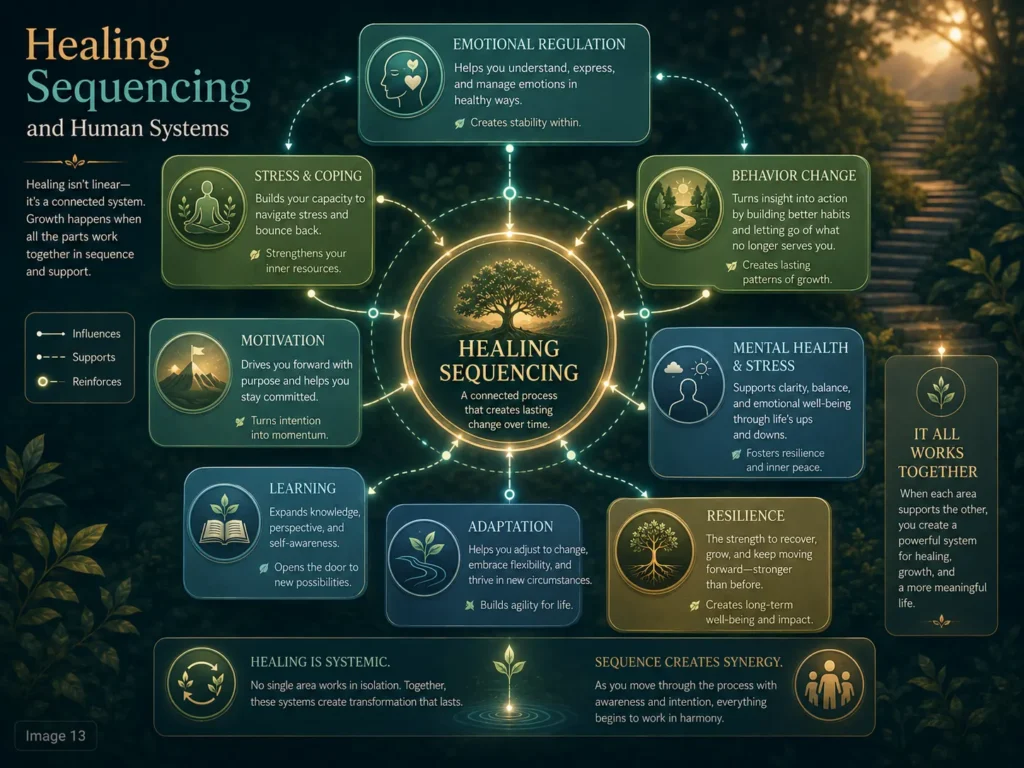
Emotional Regulation and Healing Sequencing
Emotional Regulation helps people recognize, understand, and respond to emotional experiences.
As awareness improves, people often become better able to identify patterns and make adjustments. Therefore, Emotional Regulation frequently supports several stages within Healing Sequencing.
Stress & Coping and Healing Sequencing
Stress & Coping focuses on how people respond to challenges and changing demands.
Because challenges often create opportunities for learning and adaptation, Stress & Coping plays an important role throughout the recovery progression.
Behavior Change and Healing Sequencing
Behavior Change involves adjusting routines, habits, and actions over time.
Many behavior changes occur gradually rather than instantly. Therefore, Healing Sequencing helps explain how awareness, learning, adaptation, and integration often contribute to lasting behavior change.
Motivation and Healing Sequencing
Motivation often influences whether people continue learning, practicing, and adapting.
Although motivation naturally changes over time, it frequently supports ongoing progress throughout different stages of Healing Sequencing.
Mental Health & Stress and Healing Sequencing
Mental Health & Stress involve many factors that influence daily function, learning, recovery, and adaptation.
Because these factors often interact with awareness, resilience, and adjustment, they remain closely connected to the Healing Sequencing framework.
Healing Sequencing Interactions
Healing Sequencing does not operate by itself. Instead, it interacts with many other systems that influence learning, adaptation, recovery, and resilience. Because these interactions occur continuously, progress is often shaped by multiple factors working together rather than by one single influence.
As a result, Healing Sequencing is best understood as part of a larger network of connected systems that help explain how people adjust and grow over time.
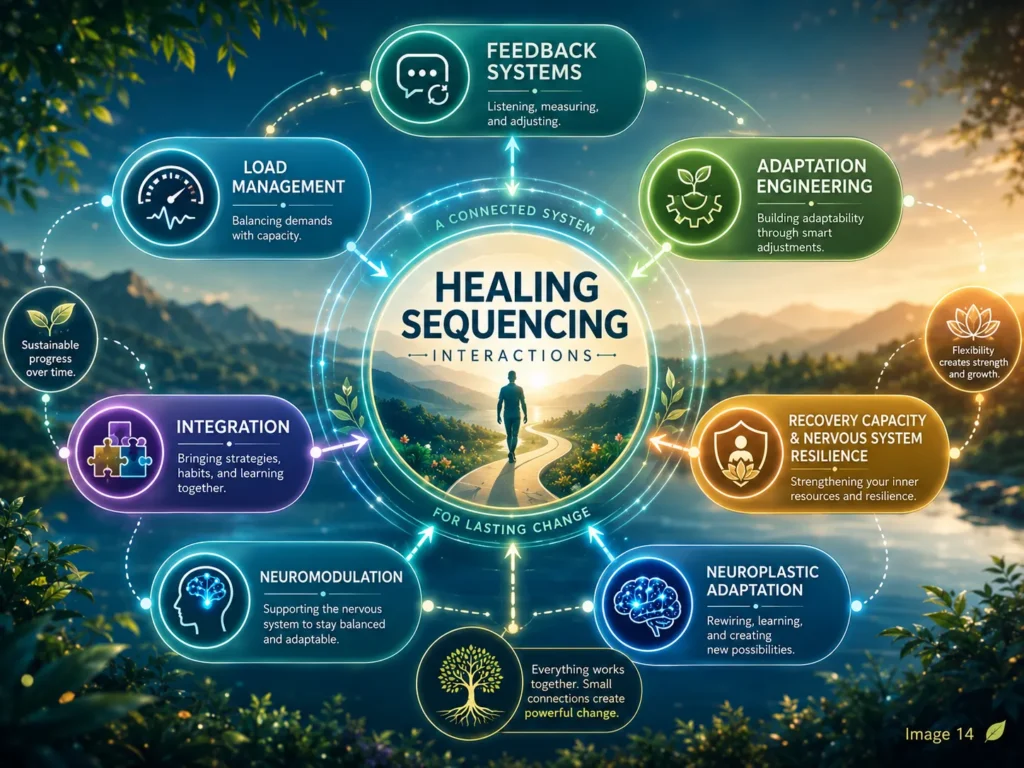
Healing Sequencing and Feedback Systems
Feedback Systems provide information about experiences, actions, and outcomes.
Every experience creates feedback. Every response creates information. Over time, this information helps people learn what is working, what may need adjustment, and what can be improved.
Therefore, Feedback Systems often support awareness, learning, adaptation, and future resilience throughout the Healing Sequencing process.
Healing Sequencing and Load Management
Load Management focuses on balancing demand, capacity, recovery, and adaptation.
Because different stages of Healing Sequencing require resources, available capacity often influences how quickly learning and adaptation can occur. Likewise, recovery can influence future capacity and resilience.
As a result, Load Management and Healing Sequencing remain closely connected.
Healing Sequencing and Integration
Integration helps connect learning, experience, and adaptation into everyday life.
Without integration, progress may remain temporary. With integration, learning becomes more consistent and sustainable.
Therefore, Integration often acts as one of the key long-term outcomes of Healing Sequencing.
Healing Sequencing and Adaptation Engineering
Adaptation Engineering focuses on how people adjust to changing circumstances through learning and experience.
Because Healing Sequencing explains the progression of that learning process, Adaptation Engineering and Healing Sequencing naturally support one another.
Together, they help explain how awareness becomes adaptation and how adaptation contributes to resilience.
Healing Sequencing and Recovery Capacity
Recovery Capacity & Nervous System Resilience focuses on the resources available to support future learning and adaptation.
Because every stage of Healing Sequencing relies on available resources, recovery capacity often influences how effectively future adaptation can occur.
As a result, these topics frequently work together within the broader Recovery Engineering framework.
Practical Daily-Life Examples
Healing Sequencing appears throughout everyday life. Most people experience some form of Healing Sequencing without realizing it because learning, adaptation, and growth naturally occur through stages.
By looking at familiar situations, it becomes easier to understand how Healing Sequencing works in real life.
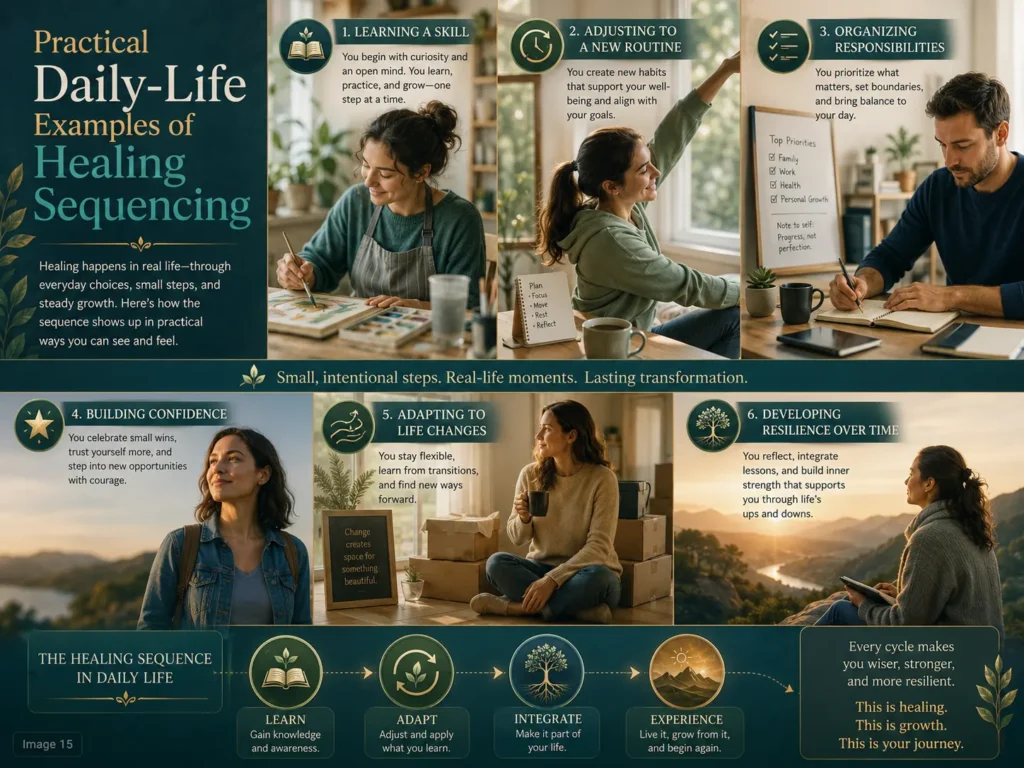
Learning a New Skill
Imagine someone learning to use a new software program.
First, they become aware that they need a new skill. Next, they create time and structure for learning. Then they begin practicing and gaining experience. Over time, they adapt their approach and become more comfortable using the software. Eventually, the skill becomes integrated into daily work.
This example demonstrates how awareness, stabilization, learning, adaptation, and integration often occur in sequence.
Adjusting to a New Routine
Many people experience Healing Sequencing when adjusting to a new schedule.
At first, the routine may feel unfamiliar. After some consistency develops, learning and experience increase. Over time, the routine becomes easier to follow and requires less conscious effort.
As a result, what once felt challenging may eventually feel natural.
Adapting to Life Changes
Major life changes often involve multiple stages of adjustment.
People may first become aware of new circumstances. Then they work toward stability, learn new ways of responding, adapt to changing demands, and eventually integrate those experiences into daily life.
Because adaptation takes time, progress often develops gradually rather than instantly.
Building Confidence
Confidence frequently develops through Healing Sequencing.
People become aware of a challenge, practice new skills, learn from experience, adapt their responses, and gradually build greater confidence through repeated success.
Therefore, confidence often grows as part of a larger learning and adaptation process.
Developing Long-Term Resilience
Resilience is rarely built in a single moment.
Instead, resilience often develops through many cycles of learning, adaptation, integration, and growth. Each experience contributes new information that can support future responses.
As a result, resilience often reflects years of accumulated learning and adaptation.
Healing Sequencing Visual Flow
Healing Sequencing can be visualized as a connected progression that unfolds over time. While individual experiences may differ, many forms of recovery and adaptation follow a similar pattern.
A simple way to understand the process is:
Awareness → Stabilization → Learning → Adaptation → Integration → Resilience
Each stage contributes something valuable to future development.
First, awareness provides information. Next, stabilization creates a foundation. Then learning expands understanding. Adaptation transforms learning into practical change. Integration connects those changes with everyday life. Finally, resilience supports future growth and flexibility.
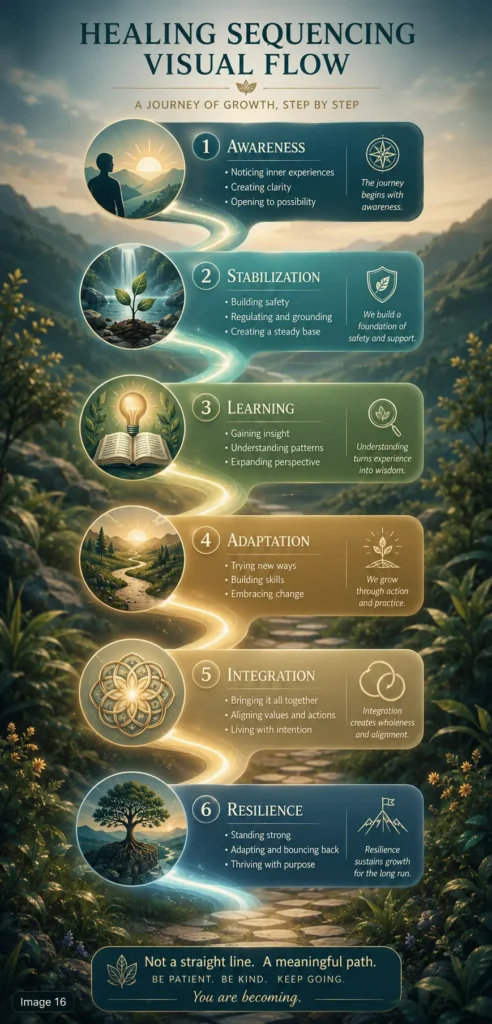
stages may support long-term adaptation and resilience.
The Process Is Continuous
Healing Sequencing does not end once resilience develops.
New challenges create new learning opportunities. New experiences create new adaptations. Therefore, people may move through similar sequences many times throughout life.
Because of this, Healing Sequencing is best viewed as an ongoing process rather than a final destination.
Growth Builds Upon Previous Stages
Each stage often supports the next stage.
Awareness supports stabilization.
Stabilization supports learning.
Learning supports adaptation.
Adaptation supports integration.
Integration supports resilience.
Because these relationships build upon one another, understanding the sequence can provide a clearer picture of long-term growth and development.
Flexibility Matters
Although the visual flow appears structured, real-life experiences are often more flexible.
People may revisit earlier stages, learn new lessons, or strengthen previous adaptations. Therefore, Healing Sequencing should be viewed as a flexible framework rather than a rigid formula.
As a result, the framework remains useful across many different experiences and life situations.
Why Healing Sequencing Matters
Healing Sequencing matters because it helps people understand recovery, learning, adaptation, and resilience as connected processes rather than isolated events.
Many people become frustrated when progress does not happen immediately. However, Healing Sequencing shows that meaningful growth often develops through stages. Because of this perspective, people may develop more realistic expectations about long-term change.
Supporting Long-Term Learning
Learning is one of the most important drivers of adaptation.
Healing Sequencing helps explain how learning develops, how it influences future responses, and how it contributes to resilience over time.
As a result, it provides a useful framework for understanding lifelong growth.
Supporting Adaptation
Adaptation rarely happens instantly.
Instead, it often develops through repeated cycles of awareness, learning, experience, and adjustment. Therefore, Healing Sequencing helps explain how adaptation unfolds over time.
Supporting Resilience
Resilience often emerges from accumulated experiences.
Each challenge, lesson, and adaptation contributes to future flexibility and capacity. Because of this, Healing Sequencing provides valuable insight into how resilience develops.
Supporting Recovery Engineering
Within the Heal Your Nerves Naturally framework, Healing Sequencing serves as a foundational Recovery Engineering topic.
It connects directly with Feedback Systems, Load Management, Adaptation Engineering, Integration, Protocol Design, Neuromodulation, Neuroplastic Adaptation, and Recovery Capacity & Nervous System Resilience.
Together, these topics help explain how people learn, adjust, recover, and adapt throughout life.
Supporting a Bigger Perspective
Perhaps most importantly, Healing Sequencing encourages a broader view of progress.
Instead of focusing on a single moment, it encourages readers to look at patterns that develop over time. As a result, growth becomes easier to recognize, understand, and appreciate.
Common Misunderstandings About Healing Sequencing
Healing Sequencing is often misunderstood because many people expect recovery, learning, and adaptation to happen quickly. However, the reality is usually more gradual and complex. Understanding these common misconceptions can help readers develop a clearer and more realistic view of how progress often unfolds over time.
Misunderstanding: Recovery Should Happen Quickly
One of the most common misconceptions is that meaningful change should happen immediately.
In reality, many forms of learning, adaptation, and resilience develop gradually. Awareness may come first, while integration and resilience may require much more time to develop.
Therefore, Healing Sequencing encourages people to view progress as a process rather than a single event.
Misunderstanding: Progress Should Always Be Linear
Many people imagine recovery as a straight line moving steadily forward.
However, real-life progress often includes periods of learning, adjustment, consolidation, and reflection. Some stages may move quickly, while others require additional time and experience.
As a result, temporary challenges do not necessarily mean progress has stopped.
Misunderstanding: Setbacks Mean Failure
Some people view setbacks as evidence that recovery or adaptation is not working.
However, challenges often provide new information that can support future learning and adjustment. Therefore, setbacks can sometimes become important parts of the overall learning process.
Because of this, Healing Sequencing views challenges as potential opportunities for adaptation rather than automatic signs of failure.
Misunderstanding: Everyone Follows the Same Sequence
Another common misconception is that every person experiences recovery in exactly the same way.
While many people move through similar stages, the timing, order, and pace of those stages can vary significantly. Individual experiences, environments, resources, and circumstances often influence the process.
Therefore, Healing Sequencing should be viewed as a flexible framework rather than a rigid formula.
Misunderstanding: Resilience Is Something People Either Have or Do Not Have
Many people believe resilience is a fixed characteristic.
In reality, resilience often develops through repeated cycles of learning, adaptation, recovery, and integration. As a result, resilience can continue growing throughout life.
Looking at the Bigger Picture
Healing Sequencing encourages readers to focus on long-term patterns rather than isolated moments.
Instead of asking whether everything has changed immediately, it asks how learning, adaptation, and resilience may be developing over time.
Because of this broader perspective, people may gain a more realistic understanding of growth, adjustment, and long-term progress.
Related Condition Connections
Many readers explore Healing Sequencing after they notice that recovery, learning, or adaptation does not always move in a straight line. Some changes may feel clear at first. Other changes may take longer, happen in phases, or feel different from one person to another.
Because of this, Healing Sequencing can help readers understand recovery progression in a broader educational way. It does not explain, diagnose, or treat any specific condition. Instead, it helps show how awareness, stabilization, learning, adaptation, integration, and resilience may develop over time.
Explore Related Condition Pages
These educational pages may help readers understand how different nerve-related conditions can influence sensation, movement, comfort, daily activities, and function:
[Peripheral Neuropathy] — Learn how peripheral nerve changes may affect sensation, comfort, and daily function.
[Diabetic Neuropathy] — Explore how diabetes-related nerve changes may connect with symptoms, function, and long-term awareness.
[Nerve Compression] — Understand how pressure on a nerve may influence movement, sensation, and daily comfort.
[Sciatic Nerve Pain] — Learn how sciatic nerve-related discomfort may affect movement, posture, and everyday activity.
[Post-Injury Nerve Damage] — Explore how nerve-related injury experiences may connect with recovery questions and daily function.
Why Experiences Can Vary
Recovery-related experiences can vary from person to person. Age, lifestyle, environment, support systems, daily demands, previous experiences, learning opportunities, and overall health may all influence how people respond to challenges.
Therefore, no single pattern explains every experience. Healing Sequencing gives readers a broader learning framework. It helps them understand why progress may develop through stages rather than through one single moment.
As a result, this section connects condition education with recovery progression while staying educational, careful, and non-diagnostic.
How Healing Sequencing Connects With Other Nerve Health Pages
Healing Sequencing connects with many topics throughout the Heal Your Nerves Naturally educational platform. This is because learning, adaptation, recovery progression, and resilience influence multiple aspects of human function.
Rather than existing as a standalone concept, Healing Sequencing acts as a connecting framework that links together several Recovery Engineering and Human Systems topics.
Connections With Human Systems
Healing Sequencing shares strong relationships with several Human Systems pages.
These include:
Each of these topics helps explain how people respond to challenges, develop awareness, make adjustments, and build resilience over time.
Therefore, they naturally support the Healing Sequencing framework.
Connections With Recovery Engineering
Healing Sequencing also connects directly with several Recovery Engineering topics.
These include:
[Recovery Capacity & Nervous System Resilience]
Together, these topics help explain how learning, adaptation, recovery, resilience, and long-term adjustment may unfold through connected stages.
As a result, Healing Sequencing acts as one of the foundational concepts within the Recovery Engineering cluster.
Building a Bigger Understanding
Each page explains a different piece of the larger picture.
Feedback Systems explains learning loops.
Load Management explains demand, capacity, recovery, and adaptation.
Adaptation Engineering explains long-term adjustment.
Integration explains how learning becomes part of everyday life.
Healing Sequencing helps explain how these concepts may unfold over time.
Therefore, exploring these connected topics can help readers develop a deeper understanding of recovery progression and long-term adaptation.
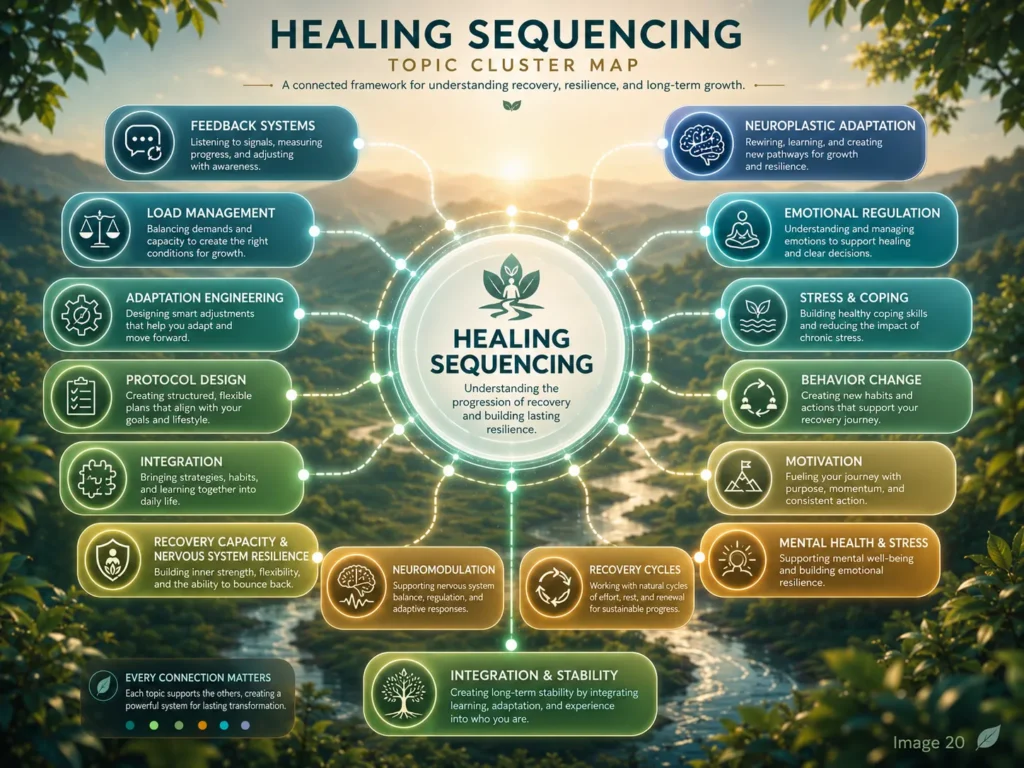
Topic Cluster Placement
Within the Heal Your Nerves Naturally educational framework, Healing Sequencing belongs primarily within the Recovery Engineering cluster.
This topic focuses on how learning, adaptation, recovery progression, integration, and resilience often develop through connected stages over time. Because of this role, Healing Sequencing serves as a central framework that helps organize many other Recovery Engineering concepts.
Primary Cluster
Direct Connections
[Recovery Capacity & Nervous System Resilience]
Supporting Connections
Why This Placement Matters
Healing Sequencing helps explain how awareness, stabilization, learning, adaptation, integration, and resilience may develop over time.
Because these stages influence many other educational topics, Healing Sequencing acts as a bridge between Human Systems, Recovery Engineering, learning frameworks, and long-term adaptation concepts.
As a result, it occupies a central position within the broader HYN educational architecture.
Healing Sequencing FAQ
What is Healing Sequencing?
Healing Sequencing is an educational framework that explains how recovery, learning, adaptation, integration, and resilience often develop through connected stages over time rather than through a single event.
Why is Healing Sequencing important?
Healing Sequencing helps people understand that meaningful progress often happens gradually. Instead of expecting immediate results, it encourages a broader view of how learning, adjustment, and resilience may develop through experience and time.
Does everyone follow the same healing sequence?
No. While many people experience similar stages such as awareness, learning, adaptation, and integration, the timing and pace can vary significantly from person to person.
Is Healing Sequencing a medical treatment?
No. Healing Sequencing is an educational concept. It does not diagnose, treat, cure, or prevent any medical condition.
Why does progress sometimes feel slow?
Progress often involves multiple layers working together. Awareness may develop before learning. Learning may develop before adaptation. Adaptation may develop before integration. Therefore, meaningful change can take time.
Can people move backward in the sequence?
Sometimes people revisit earlier stages. New challenges may create new awareness. Additional learning may be needed before further adaptation occurs. Therefore, Healing Sequencing should be viewed as a flexible process rather than a fixed path.
How does Healing Sequencing relate to resilience?
Resilience often develops through repeated cycles of awareness, learning, adaptation, and integration. As a result, Healing Sequencing helps explain how resilience may grow over time.
How does Healing Sequencing connect with Recovery Engineering?
Healing Sequencing serves as one of the core frameworks within Recovery Engineering. It helps explain how learning, recovery, adaptation, integration, and resilience may unfold through connected stages.
Is progress always visible?
Not always. Some forms of growth occur internally before they become noticeable externally. Therefore, progress may be occurring even when immediate changes are difficult to see.
Can Healing Sequencing apply to everyday life?
Yes. Learning a skill, adjusting to change, developing confidence, building routines, and adapting to new circumstances can all involve forms of Healing Sequencing.
Does Healing Sequencing end?
Not usually. Life continually presents new experiences, opportunities, and challenges. Because of this, people may move through new healing sequences many times throughout life.
Is this page providing medical advice?
No. This page is for education and awareness only. It does not provide medical advice, diagnosis, or treatment recommendations.
Continue Learning
Healing Sequencing is one part of the larger Heal Your Nerves Naturally learning path. This page explains how recovery progression may unfold through awareness, stabilization, learning, adaptation, integration, and resilience. However, readers often understand the topic better when they explore the related systems around it.
A helpful next step is to follow the Recovery Engineering pathway first. These pages explain how feedback, daily load, structured planning, adaptation, and integration work together over time. After that, readers can explore Human Systems and broader recovery topics to see how emotions, stress, behavior, motivation, and stability also influence long-term adjustment.
Start With Recovery Engineering Topics
[Feedback Systems] — Learn how information, experience, and results can guide future adjustments.
[Load Management] — Understand how demand, capacity, recovery, and adaptation work together.
[Adaptation Engineering] — Explore how long-term adjustment develops through repeated experience.
[Protocol Design] — Learn how structured frameworks can organize learning, recovery, and adaptation.
[Integration] — Understand how learning becomes part of everyday function.
Explore Supporting Recovery and Neurobiology Topics
[Recovery Capacity & Nervous System Resilience] — Explore how available resources may influence future adaptation.
[Neuromodulation] — Learn how nervous system flexibility and regulation relate to adaptation.
[Neuroplastic Adaptation] — Understand how learning and experience may shape future responses.
Explore Human Systems Topics
[Emotional Regulation] — Understand how emotional awareness may support adjustment.
[Stress & Coping] — Learn how people respond to challenges and changing demands.
[Behavior Change] — Explore how habits and routines may shift gradually over time.
[Motivation] — Understand why direction, purpose, and continued effort matter during long-term progress.
[Mental Health & Stress] — Learn how stress, daily function, and emotional well-being may interact.
Explore Regeneration System Connections
[Recovery Cycles] — Understand how recovery may involve repeated phases of effort, restoration, and adjustment.
[Integration & Stability] — Learn how stability and integration may support longer-term function.
Together, these pages create a guided learning pathway. Readers can begin with Healing Sequencing, then continue into feedback, load, adaptation, integration, resilience, and human systems. As a result, the topic becomes easier to understand as part of a larger educational framework.
Together, these topics help explain how people learn, recover, adapt, build resilience, and respond to changing demands throughout life.
Sources / References
The ideas in this page are based on broad educational concepts from neuroscience, psychology, learning science, rehabilitation science, behavior change, resilience research, human performance, and health education.
Readers who want to explore these topics more deeply can use the trusted resources below. Each source supports a different part of the learning picture.
Health Education and Public Learning
[MedlinePlus] — Easy-to-understand health information for general readers.
[National Institutes of Health (NIH)] — Broad educational resources about health, science, and human biology.
Nervous System and Research Learning
[National Institute of Neurological Disorders and Stroke (NINDS)] — Educational information about the brain, nerves, and nervous system function.
[National Center for Biotechnology Information (NCBI)] — Access to scientific research, reviews, and biomedical literature.
Behavior, Resilience, and Public Health
[American Psychological Association (APA)] — Educational resources related to behavior, stress, learning, resilience, and mental processes.
[Centers for Disease Control and Prevention (CDC)] — Public health education related to prevention, lifestyle, health behavior, and well-being.
Patient-Friendly Health Libraries
[Cleveland Clinic] — Clear health explanations for everyday readers.
[Mayo Clinic] — Patient-friendly information about health conditions, symptoms, prevention, and general well-being.
These Resources Help Readers Explore
These organizations provide educational information related to:
• Learning and adaptation
• Neuroplasticity
• Recovery and resilience
• Behavior change
• Human performance
• Health education
• Nervous system function
• Human development and lifelong learning
Together, these references help readers explore Healing Sequencing from a broader educational perspective. They also support deeper learning across the Heal Your Nerves Naturally framework.
Author / Editorial Trust Note
This page was created as part of the Heal Your Nerves Naturally educational platform.
The goal is to explain complex topics in a clear, practical, and easy-to-understand way. Whenever possible, technical language is simplified while maintaining educational accuracy. In addition, examples and everyday situations are used to help make important concepts more accessible.
Healing Sequencing is presented as an educational framework that helps readers understand how learning, adaptation, recovery progression, integration, and resilience may develop over time.
The purpose of this page is education and awareness. It is not intended to provide diagnosis, treatment, or medical advice.
Educational Trust Note
Healing Sequencing is not a single medical model or treatment system. Instead, it reflects broader educational principles that appear across multiple fields, including neuroscience, psychology, rehabilitation, learning science, behavior change, human performance, and resilience research.
Although different disciplines may use different terminology, many share an interest in understanding how people learn, adapt, recover, and respond to changing circumstances over time.
Therefore, this page focuses on educational concepts rather than specific therapies, interventions, or clinical recommendations.
The goal is to help readers understand recovery progression from a broader learning and adaptation perspective.
Safety & Education Notice
This page is intended for educational purposes only.
It does not diagnose, treat, cure, or prevent any disease or medical condition. Information presented on this page should not replace professional medical advice, diagnosis, or treatment.
Symptoms such as severe pain, sudden weakness, significant emotional distress, unusual neurological symptoms, major functional changes, or worsening health concerns should always be evaluated by qualified healthcare professionals.
Healing Sequencing should be viewed as an educational framework that helps explain learning, adaptation, recovery progression, integration, resilience, and everyday function. It is not a substitute for professional healthcare guidance.