Root-Cause Systems
Understanding the underlying factors that may influence nerve function and system balance.
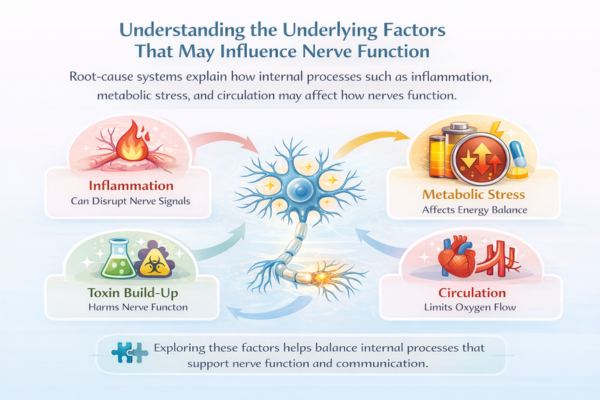
Root-cause systems help explain how different internal processes may influence nerve function.
First, the body works through many interconnected systems. Because of this, when one system changes, it may affect others as well.
For example, inflammation, metabolic stress, and circulation all play important roles. In addition, changes in these areas may influence how nerves send and receive signals.
As a result, nerve function may become more sensitive or less stable.
Therefore, understanding these internal processes makes it easier to see how nerve function may change over time.
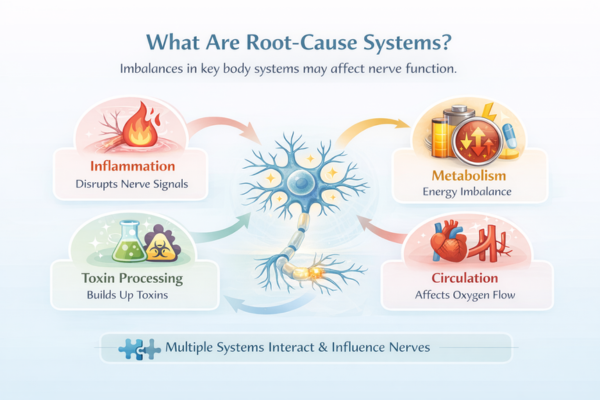
What Are Root-Cause Systems
Root-cause systems explain the deeper internal processes that may influence nerve function.
In simple terms, they help you understand why changes in nerve signals may occur.
First, the body depends on multiple systems working together. As a result, changes in one system may affect others.
In addition, these systems include inflammation, metabolism, circulation, and toxin processing. For example, changes in these areas may influence how nerves send and receive signals.
Because of this, nerve-related experiences are often connected to broader system patterns.
Therefore, understanding root-cause systems helps you see how internal balance relates to nerve function.
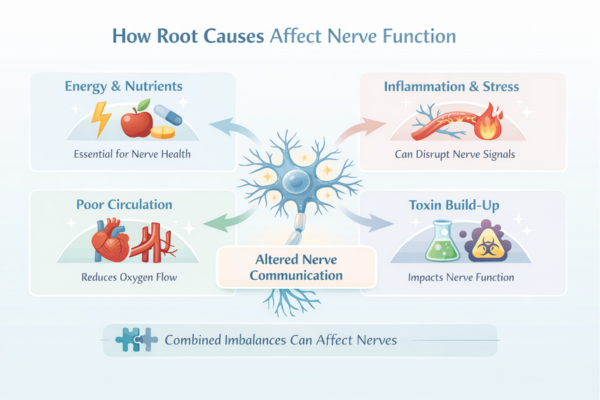
How Root Causes Affect Nerve Function
Root-cause systems influence how nerves communicate.
First, nerve cells depend on proper energy, nutrients, and internal balance. As a result, changes in these systems may affect signaling.
Next, inflammation and metabolic stress may alter how signals are processed.
In addition, circulation helps deliver oxygen and nutrients to nerves. For example, reduced circulation may influence how nerves function.
Because of this, imbalances in these systems may affect overall nerve communication.
Therefore, understanding these connections helps explain how nerve function may change.
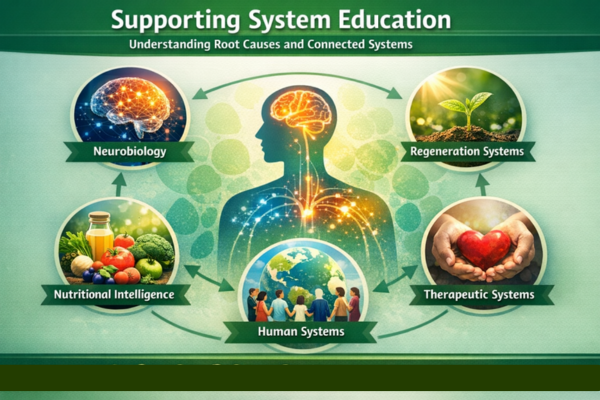
Supporting System Education
To understand root causes more clearly, explore these connected systems:
👉 These systems explain how root causes interact with broader biological processes.
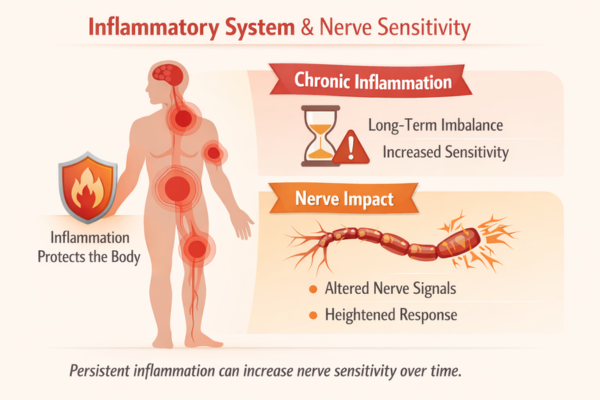
Inflammatory System
Inflammation is a natural response in the body.
However, when it remains unbalanced for a long time, it may influence nerve sensitivity.
First, inflammation helps protect the body. As a result, it plays an important role in system responses.
In addition, long-term imbalance may affect how nerves respond to signals.
Because of this, inflammation is often considered an important factor in nerve-related experiences.
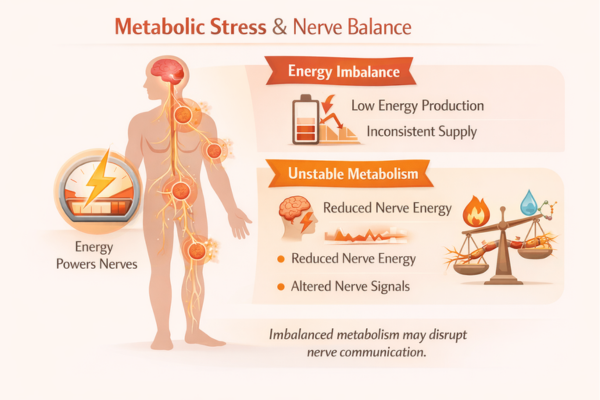
Metabolic Stress
Metabolism refers to how the body produces and uses energy.
First, nerve cells require energy to function properly. As a result, energy imbalance may affect nerve communication.
In addition, unstable energy levels may influence how signals are processed.
Because of this, metabolic stress may affect overall system balance.
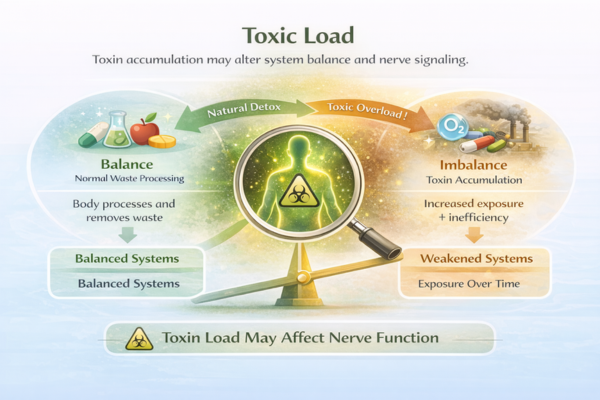
Toxic Load
The body is exposed to both internal and external substances over time. As a result, it depends on natural systems to maintain balance.
First of all, the body processes and removes waste through these systems. Because of this, normal function can be maintained.
However, when this process becomes less efficient, substances may begin to accumulate. As a result, internal balance may be affected.
Therefore, toxin load may influence how different systems function, including nerve signaling.
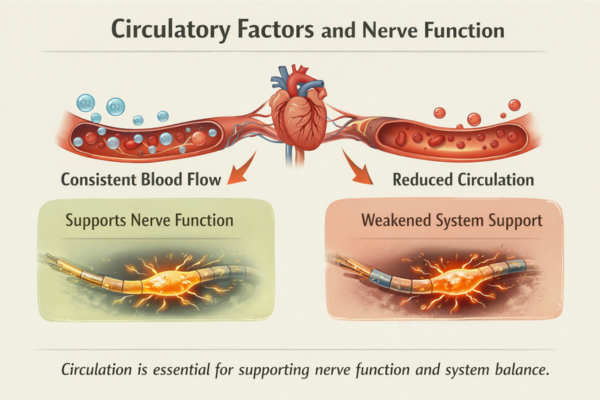
Circulatory Factors
Circulation helps deliver oxygen and nutrients throughout the body. As a result, it plays an important role in maintaining normal function.
First of all, nerves rely on consistent blood flow to work properly. Because of this, healthy circulation supports effective nerve function.
In addition, when circulation becomes reduced, it may influence how signals travel through the nerves. As a result, communication may become less efficient.
Therefore, circulation is an important part of overall system balance and nerve function.
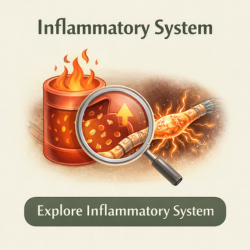
Inflammatory System
Inflammation is a natural response in the body. However, over time, when it remains unbalanced, it may influence how nerves respond to signals. As a result, nerve sensitivity may change. Therefore, in this section, you can explore how inflammation may affect nerve sensitivity and overall system balance.
Metabolic Stress
Energy balance plays an important role in how the body functions. However, when energy levels become unstable, it may affect how nerve signals are processed. As a result, nerve communication may become less efficient. Therefore, in this section, you can explore how energy imbalance may influence nerve signaling and overall system balance.

Toxic Load
The body is exposed to different substances over time. However, when these substances begin to accumulate, it may affect how internal systems function. As a result, the overall system balance may become less stable. Therefore, in this section, you can explore how internal load may influence system balance and nerve function.
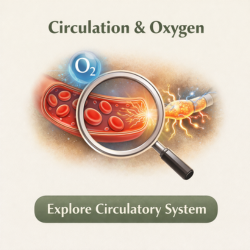
Circulation & Oxygen
Blood flow plays a key role in supporting nerve function. However, when circulation becomes reduced, it may affect how oxygen and nutrients reach the nerves. As a result, nerve signaling may become less efficient. Therefore, in this section, you can explore how blood flow supports nerve function and overall system balance.
Mechanical Damage System
The body is often exposed to physical stress and external forces. However, when pressure, strain, or injury affects nerve areas, it may influence how signals are transmitted. As a result, nerve communication may become disrupted. Therefore, in this section, you can explore how mechanical damage may affect nerve function and overall system balance.

Nutritional Deficiency System
The body depends on essential nutrients to function properly. However, when important nutrients are lacking, it may affect how nerves work and communicate. As a result, nerve function may become less stable. Therefore, in this section, you can explore how nutritional deficiency may influence nerve function and overall system balance.

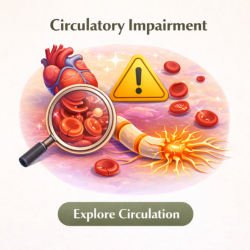
Circulatory Impairment System
Circulation plays an important role in delivering oxygen and nutrients throughout the body. However, when blood flow becomes reduced or less efficient, it may affect how nerves function. As a result, nerve signaling may become weaker or less stable. Therefore, in this section, you can explore how circulatory impairment may influence nerve function and overall system balance.
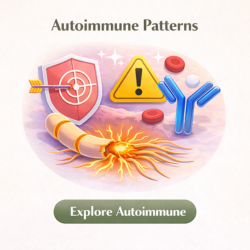
Autoimmune Patterns
The immune system helps protect the body. However, when immune responses become unbalanced, it may influence how the body interacts with its own systems. As a result, nerve function may be affected. Therefore, in this section, you can explore how autoimmune patterns may influence nerve function and overall system balance.
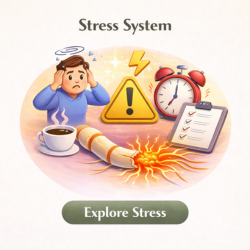
Stress System
The body responds to stress in different ways. However, when stress becomes frequent or long-lasting, it may influence how the nervous system functions. As a result, nerve signaling may become more sensitive or less stable. Therefore, in this section, you can explore how stress patterns may affect nerve function and overall system balance.
Nutritional Connection
Nutrition plays an important role in supporting overall system balance. However, when nutritional patterns become unbalanced, it may influence how root-cause systems function. As a result, nerve function may be affected over time. Therefore, in this section, you can explore how nutrition interacts with root causes and supports nerve health.

Lifestyle Degeneration
Daily habits and lifestyle patterns influence how the body functions over time. However, when these patterns become unbalanced, they may affect how different systems work together. As a result, nerve function may become less stable. Therefore, in this section, you can explore how lifestyle degeneration may influence nerve function and overall system balance.

CONTINUE LEARNING
To deepen your understanding, it is helpful to explore how different systems connect and interact. In addition, each of the sections below expands on key areas related to nerve function. As a result, you can build a clearer and more complete understanding step by step.
RELATED CONDITIONS
Nerve-related experiences may appear in different forms. However, many of these conditions are connected through similar underlying patterns. As a result, exploring related conditions can help you better understand how nerve function may change across different situations.
SAFETY NOTICE
This page is for educational purposes only. It helps explain general concepts related to nerve function and system balance. However, it does not provide medical advice, diagnosis, or treatment.
Instead, it is designed to support understanding and awareness. Therefore, the information shared here should be used for learning purposes only, not as a substitute for professional medical guidance.